

If you’ve ever curled up with a heating pad, reached for painkillers, or canceled plans because of period cramps, you’re not alone. Menstrual pain affects millions of women every month, and naturally, many look for ways to ease the discomfort. One question that often comes up—but isn’t talked about enough—is: does sex reduce menstrual pain?
The short answer is: it can, for some women.
While sex isn’t a guaranteed remedy for period cramps, research suggests that sexual activity, particularly when it leads to orgasm, may help relieve menstrual pain for some people. This happens because of a combination of hormonal, muscular, and neurological changes in the body.
However, every body is different. What works for one woman may not work for another, and there are situations where having sex during your period may not be comfortable—or even advisable.
In this article, we’ll explore what science says about whether sex reduces menstrual pain, why it may help, when it might not, and other evidence-backed ways to manage painful periods.
What Is Menstrual Pain?
Before answering “does sex reduce menstrual pain?”, it’s important to understand why periods hurt in the first place.
Menstrual pain, medically known as dysmenorrhea, is the cramping pain that occurs before or during menstruation. The discomfort usually starts in the lower abdomen but can also spread to the lower back, hips, and thighs.
There are two main types:
Primary Dysmenorrhea
This is the most common type and isn’t linked to another medical condition. It occurs because the uterus contracts to shed its lining.
Secondary Dysmenorrhea
This type is caused by underlying conditions such as:
- Endometriosis
- Adenomyosis
- Uterine fibroids
- Pelvic inflammatory disease (PID)
If your menstrual pain is severe, worsens over time, or interferes with daily life, it’s important to consult a healthcare professional.
Does Sex Reduce Menstrual Pain?
Yes, sex may reduce menstrual pain for some women, particularly if it results in orgasm.
During sexual arousal and orgasm, your body releases several hormones and neurotransmitters that naturally reduce pain perception. Additionally, the rhythmic contractions during orgasm may help relax the uterus after it contracts, reducing cramping.
However, this isn’t a universal experience.
Some women feel significantly better after sex, while others may notice no difference—or even increased discomfort if penetration feels painful during menstruation.
So, the better answer to does sex reduce menstrual pain is:
It can help, but it isn’t a guaranteed treatment.
Why Does Sex Help Relieve Period Cramps?
Several biological mechanisms explain why sex may ease menstrual discomfort.
1. Orgasm Releases Natural Painkillers
One of the biggest reasons researchers believe sex helps is because orgasm triggers the release of:
- Endorphins
- Oxytocin
- Dopamine
Endorphins are your body’s natural pain-relieving chemicals. They’re often compared to the effects of mild pain medication because they help block pain signals from reaching the brain.
This is why many women report feeling relaxed, lighter, and less crampy after orgasm.
2. Uterine Muscle Relaxation
During orgasm, the uterus contracts briefly and then relaxes.
Menstrual cramps occur because the uterus contracts repeatedly due to prostaglandins.
Some experts believe that the relaxation phase after orgasm may temporarily reduce these painful contractions, leading to relief.
Although more research is needed, this is considered one of the possible explanations behind the question:
Does sex reduce menstrual pain?
3. Improved Blood Circulation
Sex increases blood flow throughout the pelvic region.
Better circulation may reduce muscle tension and stiffness around the uterus and pelvis, which may ease discomfort in some women.
Good circulation also helps oxygen reach tissues more efficiently, potentially reducing muscle fatigue.
4. Reduced Stress Levels
Stress and anxiety can make menstrual pain feel worse.
Sex stimulates the release of oxytocin—often called the “feel-good hormone.”
Oxytocin promotes relaxation, lowers stress hormones, and creates an overall sense of wellbeing.
For women whose cramps worsen during stressful periods, this emotional relaxation may indirectly lessen pain.
5. Better Sleep
Many women find it easier to sleep after orgasm.
Good-quality sleep helps the body regulate inflammation, recover from discomfort, and tolerate pain more effectively.
If menstrual cramps are keeping you awake at night, improved sleep may become an additional benefit of sexual activity.
Is It Orgasm or Sex That Helps?
This is an important distinction.
Current evidence suggests that orgasm—not necessarily penetrative sex—is likely responsible for most pain relief.
That means relief may also come from:
- Masturbation
- Mutual stimulation
- Other forms of sexual activity that lead to orgasm
Penetrative intercourse itself isn’t required.
This is especially helpful for women who don’t feel comfortable having intercourse during their period but still want to explore whether orgasm helps reduce menstrual cramps.
Can Masturbation Reduce Menstrual Pain?
Absolutely.
In fact, many experts believe masturbation may provide similar benefits because the body’s hormonal response is nearly identical.
During masturbation and orgasm, your body still releases:
- Endorphins
- Oxytocin
- Dopamine
These hormones may help reduce cramping and improve mood.
For some women, masturbation may actually feel more comfortable than partnered sex during menstruation.
Is It Safe to Have Sex During Your Period?
For most healthy adults, period sex is generally safe, provided both partners are comfortable and consent.
However, there are a few things to keep in mind.
Pregnancy Is Still Possible
Although uncommon, pregnancy can still occur if you have sex during your period—especially if you have shorter menstrual cycles or ovulate early.
Contraception is still important if pregnancy isn’t planned.
Sexually Transmitted Infections (STIs)
The risk of transmitting certain infections can be slightly higher during menstruation because menstrual blood can carry viruses such as HIV and because the cervix may be slightly more open.
Using condoms remains the best way to reduce STI risk.
Hygiene
Some couples worry about the mess.
Simple steps like:
- placing a towel underneath,
- having sex in the shower,
- or keeping tissues nearby
can make period sex more comfortable and stress-free.
When Sex Might Make Menstrual Pain Worse
Although many women ask, “does sex reduce menstrual pain?”, it’s equally important to know that the answer isn’t always yes.
Sex may actually worsen discomfort if you have conditions such as:
Endometriosis
Deep penetration may trigger significant pelvic pain.
Women with endometriosis often experience painful intercourse regardless of whether they’re menstruating.
Pelvic Inflammatory Disease
Sex can worsen pelvic pain if there’s an active infection.
Treatment should always come first.
Vaginal Dryness
Some women experience temporary hormonal changes that reduce natural lubrication.
Using a water-based lubricant can improve comfort if needed.
Severe Menstrual Cramps
If your cramps are so intense that movement itself feels painful, sex may not provide relief.
In such cases, medical evaluation is recommended to rule out secondary causes of dysmenorrhea.
Other Evidence-Based Ways to Reduce Menstrual Pain
While some women benefit from sexual activity, there are many other proven strategies that help manage menstrual cramps.
Apply Heat
Heating pads and warm water bottles are among the most effective non-medication treatments for period pain.
Heat relaxes uterine muscles and improves blood circulation.
Gentle Exercise
Walking, yoga, and stretching may seem difficult when you’re cramping, but light movement increases endorphin levels and can significantly reduce discomfort.
Stay Hydrated
Drinking enough water may help reduce bloating and improve overall comfort during menstruation.
Eat Anti-Inflammatory Foods
A diet rich in:
- leafy greens
- berries
- nuts
- seeds
- fatty fish
may help reduce inflammation associated with menstrual cramps.
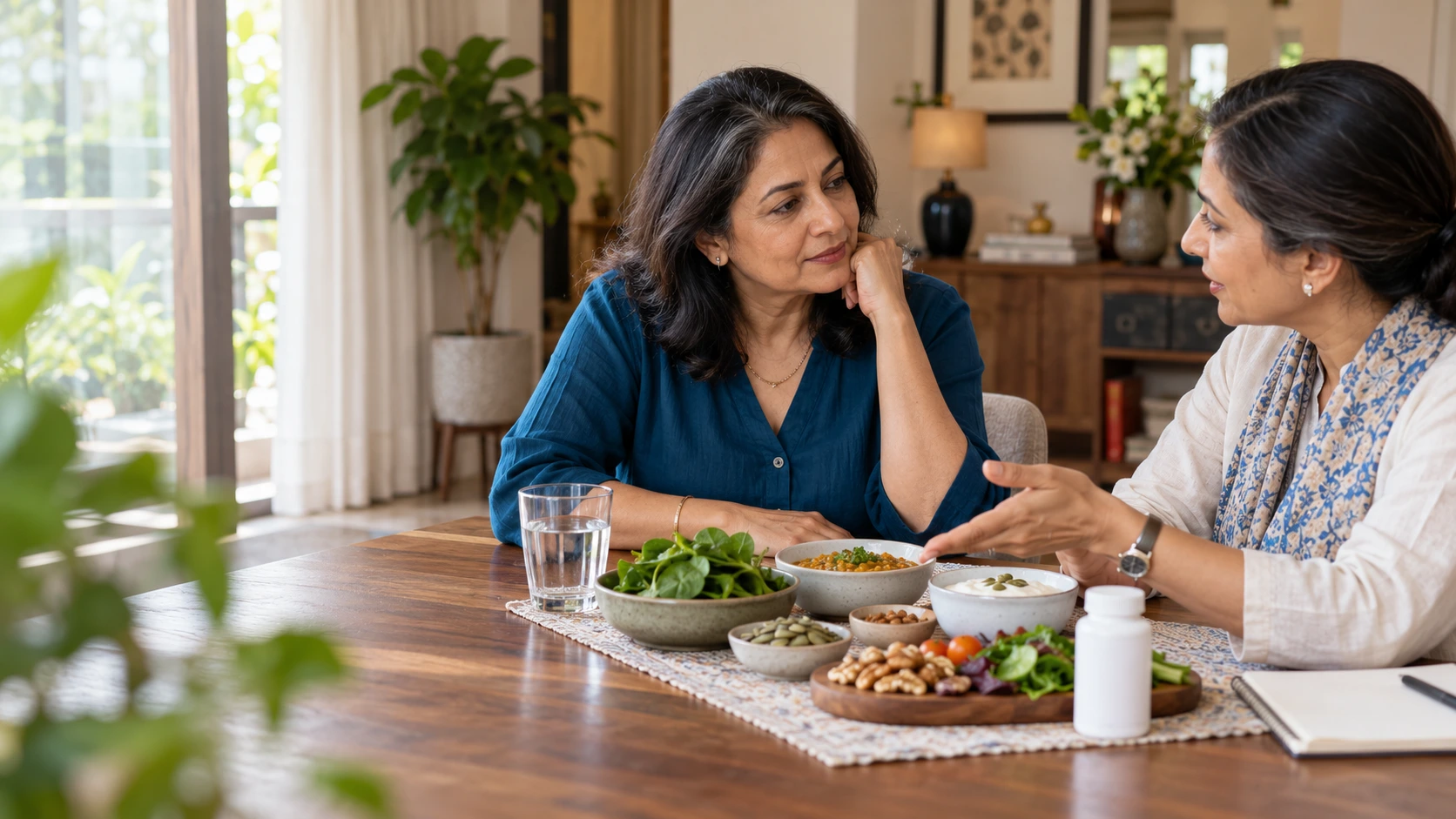
Can Certain Foods and Supplements Help with Menstrual Pain?
If you’re wondering does sex reduce menstrual pain, remember that it doesn’t have to be your only strategy. Lifestyle habits, nutrition, and certain supplements may also make a noticeable difference.
Magnesium
Magnesium helps muscles relax, including the muscles of the uterus. Some studies suggest it may reduce the intensity of menstrual cramps, especially when taken regularly under medical guidance.
Omega-3 Fatty Acids
Omega-3s have anti-inflammatory properties and may help decrease the production of prostaglandins—the hormone-like compounds responsible for uterine contractions and cramping.
Foods rich in omega-3s include:
- Salmon
- Sardines
- Walnuts
- Chia seeds
- Flaxseeds
Vitamin D
Vitamin D deficiency has been associated with more severe menstrual pain in some women. Maintaining healthy levels may support better menstrual health, although supplementation should be discussed with your healthcare provider.
Ginger
Ginger is one of the most well-researched natural remedies for period pain. Some studies have found that ginger can be as effective as certain over-the-counter pain relievers when taken at the start of menstruation.
Does Sex Reduce Menstrual Pain Every Time?
Not necessarily.
The answer to does sex reduce menstrual pain depends on several individual factors, including:
- Your pain tolerance
- The cause of your menstrual cramps
- Whether you experience orgasm
- Your hormonal response
- Emotional comfort and stress levels
- Presence of conditions like endometriosis or fibroids
For some women, period sex brings immediate relief. Others may not notice much difference, while some may find it uncomfortable.
The key is to listen to your body rather than feeling pressured by anecdotal experiences or online advice.
Myths About Period Sex and Menstrual Pain
There are many misconceptions surrounding sex during menstruation. Let’s separate fact from fiction.
Myth 1: You Should Never Have Sex During Your Period
Fact: If both partners are comfortable and appropriate protection is used, period sex is generally safe for most healthy adults.
Myth 2: Sex Completely Cures Menstrual Cramps
Fact: While some women experience relief, sex is not a guaranteed treatment for dysmenorrhea. It may reduce symptoms but does not address underlying medical conditions.
Myth 3: Pregnancy Isn’t Possible During Your Period
Fact: Although less likely, pregnancy can still happen if sperm survive until ovulation, especially in women with shorter menstrual cycles.
Myth 4: Menstrual Blood Is Unhygienic
Fact: Menstrual blood is a natural combination of blood, tissue, and mucus. With good hygiene practices, period sex is not inherently unhygienic.
When Should You See a Doctor for Menstrual Pain?
Occasional cramps are common, but severe or worsening pain should never be ignored.
Speak to your healthcare provider if you experience:
- Pain that prevents you from attending work, school, or daily activities
- Heavy menstrual bleeding requiring frequent pad or tampon changes
- Pain that suddenly becomes much worse than usual
- Pain during sex even when you’re not menstruating
- Fever, unusual vaginal discharge, or severe pelvic pain
- Menstrual pain that doesn’t improve with pain medication or home remedies
Persistent pain may indicate conditions such as endometriosis, adenomyosis, fibroids, or pelvic inflammatory disease, all of which require medical evaluation.
The Bottom Line: Does Sex Reduce Menstrual Pain?
So, does sex reduce menstrual pain?
For many women, the answer is yes—but not always.
Sex, particularly when it leads to orgasm, may help relieve menstrual cramps by releasing endorphins, relaxing uterine muscles, improving blood flow, and reducing stress. However, every body responds differently, and sex is not a replacement for medical treatment if your pain is severe or caused by an underlying condition.
The most important thing is to understand your own body and choose what feels comfortable and safe for you. Whether relief comes from a heating pad, exercise, medication, masturbation, or sex, there’s no “right” way to manage menstrual pain.
If your cramps are intense, worsening, or affecting your quality of life, don’t hesitate to speak with a healthcare professional. Painful periods shouldn’t be something you simply learn to live with.
FAQs
For some women, yes. The release of endorphins and oxytocin during orgasm may provide temporary relief from menstrual cramps shortly afterward. However, the effect varies from person to person and may not last throughout the day. If your pain is severe or persistent, it's important to look for the underlying cause instead of relying solely on sex for relief.
Yes. Masturbation that leads to orgasm can trigger the same release of endorphins, dopamine, and oxytocin as partnered sex. These hormones may help relax the body, improve mood, and reduce the perception of pain. Many women find masturbation to be a comfortable alternative during menstruation.
In most cases, yes. Period sex is generally safe if both partners are comfortable and consent to it. However, pregnancy is still possible, and the risk of transmitting certain sexually transmitted infections (STIs) may be slightly higher during menstruation. Using condoms and maintaining good hygiene are recommended.
Pain after sex may occur if there's an underlying condition such as endometriosis, pelvic inflammatory disease, fibroids, or vaginal dryness. In some cases, deep penetration may also worsen existing pelvic pain. If intercourse is consistently painful, it's worth discussing your symptoms with a healthcare provider.
If your menstrual pain is severe enough to interfere with work, school, sleep, or everyday activities, or if it suddenly becomes worse than usual, seek medical advice. Pain accompanied by heavy bleeding, fever, unusual discharge, or pain outside your menstrual cycle may indicate an underlying condition requiring treatment.