
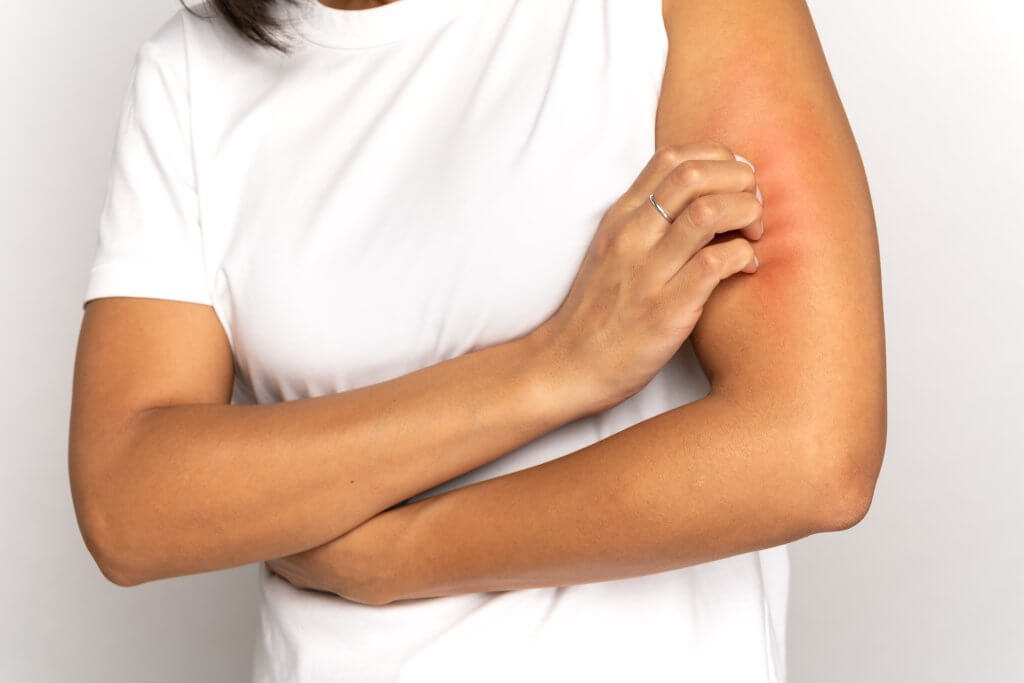
Menopause brings many changes to the body, but skin is often one of the first places where hormonal shifts become visible. While hot flashes and mood changes are commonly discussed, many women are surprised when they suddenly develop itchy, dry, red, or irritated skin. In some cases, these changes can appear as a menopause skin rash, making everyday activities uncomfortable.
If you’ve noticed unexplained redness, itching, or patches of irritated skin around the time your periods became irregular or stopped, you’re not alone. Skin complaints are surprisingly common during perimenopause and menopause, yet they often go undiscussed.
The good news? Most cases of menopause skin rash can be managed with the right skincare routine, lifestyle changes, and medical treatment when necessary. Understanding why these rashes occur is the first step toward finding relief.
In this guide, we’ll explore the causes, symptoms, treatment options, prevention tips, and when it’s time to seek medical advice.
Why Does Menopause Affect Your Skin?
Your skin depends heavily on the hormone estrogen to stay healthy.
Estrogen helps maintain:
- Skin hydration
- Collagen production
- Elasticity
- Wound healing
- Skin thickness
- Natural oil production
During menopause, estrogen levels decline significantly. As a result, the skin becomes thinner, drier, and more sensitive to environmental irritants.
Studies suggest that women can lose nearly 30% of their skin collagen during the first five years after menopause, contributing to dryness, irritation, and increased skin fragility.
This hormonal transition doesn’t directly “cause” every rash, but it creates conditions where the skin is much more likely to react.
What Is a Menopause Skin Rash?
A menopause skin rash refers to any new or worsening skin irritation that develops because of hormonal changes during perimenopause or menopause.
It isn’t one specific medical condition. Instead, it’s a broad term that includes several types of skin irritation triggered—or worsened—by declining estrogen.
A menopause skin rash may appear as:
- Red patches
- Itchy bumps
- Dry, flaky skin
- Small raised spots
- Hives
- Burning sensations
- Sensitive skin
- Rough or cracked skin
Some women experience occasional flare-ups, while others notice persistent skin discomfort that affects their quality of life.
Common Causes of Menopause Skin Rash
1. Falling Estrogen Levels
This is the biggest contributor.
Lower estrogen means:
- Reduced moisture
- Less collagen
- Poor skin barrier function
- Increased sensitivity
Without enough natural protection, the skin becomes more vulnerable to allergens, heat, friction, and chemicals found in soaps or cosmetics.
2. Extremely Dry Skin
Dry skin is one of the most common menopause symptoms.
When skin loses moisture, tiny cracks form on its surface. These microscopic breaks can become itchy, inflamed, and painful, eventually leading to a noticeable rash.
Areas commonly affected include:
- Arms
- Legs
- Neck
- Hands
- Chest
- Face
3. Increased Skin Sensitivity
Many women discover that products they’ve used for years suddenly start causing irritation.
Hormonal changes can make the skin react more strongly to:
- Perfumes
- Soaps
- Laundry detergents
- Makeup
- Hair dye
- Sunscreens
- Fragranced skincare products
This is called irritant or allergic contact dermatitis, and it becomes more common during menopause.
4. Hot Flashes and Excessive Sweating
Frequent hot flashes increase sweating.
When sweat remains trapped against the skin—especially under the breasts, around the neck, groin, or underarms—it can cause:
- Heat rash
- Redness
- Itching
- Chafing
- Skin irritation
Women who experience several hot flashes daily often notice recurring rashes in these areas.
5. Stress and Cortisol
Menopause can bring emotional changes such as anxiety, poor sleep, and chronic stress.
High cortisol levels may worsen inflammatory skin conditions, including:
- Eczema
- Psoriasis
- Rosacea
- Hives
Stress also makes itching feel more intense, creating a frustrating itch-scratch cycle.
6. Existing Skin Conditions Become Worse
Menopause doesn’t always create a new skin disease—it can worsen one that’s already there.
Women with a history of eczema, psoriasis, rosacea, or sensitive skin often notice more frequent flare-ups after entering perimenopause.
7. Hormonal Fluctuations During Perimenopause
Perimenopause is often more unpredictable than menopause itself.
Rapid hormone fluctuations may trigger temporary skin inflammation before hormone levels stabilize.
This explains why many women first notice skin problems in their early to mid-40s rather than after their periods stop completely.
Symptoms of Menopause Skin Rash
Every woman experiences menopause differently, but common symptoms include:
- Persistent itching
- Red patches
- Dry, rough skin
- Small bumps
- Burning sensation
- Flaky skin
- Peeling
- Tightness
- Increased skin sensitivity
- Warm or irritated areas
- Mild swelling
- Hives that appear suddenly
Some women describe their skin as feeling “too tight” or “constantly itchy,” even when no obvious rash is visible.
Where Does a Menopause Skin Rash Usually Appear?
Although it can develop anywhere, certain areas are more commonly affected.
These include:
- Face
- Neck
- Chest
- Arms
- Hands
- Back
- Lower legs
- Under the breasts
- Inner thighs
- Around the waistband
The exact location often depends on the underlying cause. Heat-related rashes typically occur in skin folds, while dry skin tends to affect the arms, legs, and face.
How Is Menopause Skin Rash Diagnosed?
There isn’t a specific test that confirms a menopause skin rash. Instead, your healthcare provider will evaluate your symptoms, medical history, and skin changes to determine whether hormonal changes are contributing to the problem.
During your consultation, they may ask:
- When did the rash first appear?
- Are you experiencing other menopause symptoms, such as hot flashes or irregular periods?
- Have you recently changed skincare products, soaps, or detergents?
- Does the rash come and go, or is it constant?
- Is there a personal or family history of eczema, allergies, or psoriasis?
A physical examination is often enough to identify common causes. However, if the rash is persistent, severe, or unusual, your doctor may recommend additional tests—such as allergy testing, blood work, or a skin biopsy—to rule out infections, autoimmune conditions, or other skin disorders.
Recognizing the connection between your skin symptoms and hormonal changes is an important first step toward finding the right treatment.
Treatment for Menopause Skin Rash
The right treatment for a menopause skin rash depends on what’s causing it. While many women find relief with simple skincare changes, others may need medical treatment if the rash is persistent or severe.
1. Moisturize Every Day
One of the simplest and most effective ways to manage a menopause skin rash is to restore your skin’s moisture barrier.
Look for moisturizers that contain:
- Ceramides
- Hyaluronic acid
- Glycerin
- Shea butter
- Squalane
- Colloidal oatmeal
Apply moisturizer immediately after bathing while your skin is still slightly damp to lock in hydration.
2. Use Gentle, Fragrance-Free Skincare
As estrogen levels decline, the skin becomes more sensitive to harsh ingredients.
Choose products that are:
- Fragrance-free
- Soap-free
- Alcohol-free
- Hypoallergenic
- Designed for sensitive skin
Avoid over-exfoliating, as this can worsen irritation and make a menopause skin rash more uncomfortable.
3. Keep Itching Under Control
Scratching may provide temporary relief, but it can damage the skin and increase the risk of infection.
To soothe itching:
- Apply a cool compress for 10–15 minutes.
- Use a gentle anti-itch lotion if recommended by your healthcare provider.
- Keep your nails trimmed short to prevent skin injury.
- Wear loose, breathable cotton clothing to reduce friction.
4. Stay Cool During Hot Flashes
Heat and sweating can aggravate skin irritation.
Try these tips:
- Dress in breathable fabrics like cotton or bamboo.
- Use a fan or cooling towel during hot flashes.
- Shower after excessive sweating.
- Change out of damp clothing promptly.
5. Consider Medical Treatment
If your menopause skin rash is persistent, painful, or affecting your quality of life, consult a dermatologist or menopause specialist.
Treatment may include:
- Prescription creams for eczema or dermatitis
- Antihistamines for allergy-related itching or hives
- Topical corticosteroids for inflammation (short-term use)
- Treatment for any underlying skin condition
- Hormone Replacement Therapy (HRT), if appropriate and recommended by your doctor
HRT isn’t prescribed solely for skin rashes, but by restoring estrogen levels in suitable candidates, it may improve skin hydration, elasticity, and overall skin health.
Lifestyle Changes That Can Help
Your daily habits play an important role in keeping your skin healthy during menopause.
Stay Well Hydrated
Drinking enough water supports overall skin function and can help reduce dryness. While hydration alone won’t cure a rash, it complements a good skincare routine.
Eat Skin-Friendly Foods
A nutrient-rich diet supports skin repair and helps reduce inflammation.
Include foods rich in:
- Omega-3 fatty acids (salmon, walnuts, flaxseeds)
- Vitamin C (oranges, guava, bell peppers)
- Vitamin E (almonds, sunflower seeds)
- Protein for collagen production
- Colorful fruits and vegetables rich in antioxidants
These nutrients help maintain healthier skin from within.
Get Better Sleep
Poor sleep increases stress hormones, which may worsen itching and inflammatory skin conditions.
Aim for 7–9 hours of quality sleep each night. Creating a cool, comfortable bedroom environment may also help reduce night sweats that can irritate the skin.
Manage Stress
Stress is a well-known trigger for eczema, hives, and psoriasis.
Helpful stress-management techniques include:
- Yoga
- Meditation
- Deep breathing exercises
- Walking outdoors
- Journaling
- Talking to a mental health professional when needed
Supporting your emotional wellbeing often benefits your skin, too.
Can Hormone Replacement Therapy Help?
Because estrogen plays such an important role in maintaining skin health, some women notice improvements in dryness and skin texture after starting Hormone Replacement Therapy (HRT).
Research suggests that HRT may:
- Improve skin hydration
- Increase collagen production
- Enhance skin elasticity
- Reduce excessive dryness
However, HRT isn’t suitable for everyone and should only be considered after discussing the potential benefits and risks with a qualified healthcare professional. It should never be started solely to treat a skin rash.
Can You Prevent a Menopause Skin Rash?
You may not be able to prevent every skin change during menopause, but you can lower your risk by protecting your skin consistently.
Here are some practical prevention tips:
- Moisturize twice daily.
- Avoid very hot showers.
- Use sunscreen with SPF 30 or higher every day.
- Wear breathable clothing.
- Choose fragrance-free skincare products.
- Stay hydrated.
- Manage stress effectively.
- Eat a balanced diet rich in healthy fats and antioxidants.
- Avoid scratching itchy areas.
- See a healthcare provider if symptoms persist.
Small, consistent habits often make the biggest difference over time.
When Should You See a Doctor?
A mild menopause skin rash often improves with self-care. However, it’s important to seek medical advice if:
- The rash lasts longer than two weeks despite home treatment.
- It spreads rapidly or becomes severe.
- There is swelling, pus, or signs of infection.
- You develop blisters or open sores.
- The itching is intense enough to interfere with sleep.
- The rash is accompanied by fever or other concerning symptoms.
- You’re unsure whether menopause is the cause.
A healthcare provider can determine whether your symptoms are related to menopause or another underlying condition that requires treatment.
A menopause skin rash can be uncomfortable, frustrating, and unexpected—but it’s also a common part of the hormonal changes many women experience during perimenopause and menopause. As estrogen levels decline, the skin naturally becomes drier, thinner, and more sensitive, making it easier for irritation and inflammation to develop.
The good news is that most menopause-related skin changes can be managed with gentle skincare, regular moisturizing, healthy lifestyle habits, and medical guidance when needed. Paying attention to your skin, avoiding common triggers, and seeking help if symptoms persist can go a long way toward improving comfort and confidence.
Remember, your skin is changing because your body is changing. With the right care and support, you can protect your skin and continue to feel comfortable in it throughout every stage of menopause.
FAQs
Yes. While it isn't discussed as often as hot flashes or mood changes, many women experience skin problems during perimenopause and menopause. Falling estrogen levels can make the skin drier, thinner, and more sensitive, increasing the likelihood of itching, irritation, and rashes. Existing conditions such as eczema or psoriasis may also flare up during this time.
Absolutely. Many women experience persistent itching even when the skin appears normal. This happens because declining estrogen weakens the skin barrier and reduces moisture, making the skin more sensitive. If the itching continues or becomes severe, it's a good idea to consult a healthcare provider to rule out other causes.
Hormone Replacement Therapy may improve skin hydration and elasticity by replacing declining estrogen levels, which can indirectly reduce dryness-related irritation. However, it isn't considered a cure for a menopause skin rash and isn't prescribed solely for skin symptoms. Your healthcare provider will determine whether HRT is appropriate based on your overall health and menopause symptoms.
A simple routine works best. Cleanse with a gentle, fragrance-free cleanser, apply a moisturizer containing ceramides or hyaluronic acid, and use sunscreen daily. Avoid harsh scrubs, overly hot water, and products with strong fragrances or alcohol, as these can further irritate sensitive menopausal skin.
A balanced diet can't eliminate a menopause skin rash on its own, but it can support healthier skin. Foods rich in omega-3 fatty acids, vitamins C and E, protein, and antioxidants help maintain the skin barrier and reduce inflammation. Staying hydrated and limiting excess sugar and ultra-processed foods may also benefit overall skin health.