
One minute, you are answering an email or settling into bed. The next, heat rises through your chest and face, sweat appears without warning, and a few minutes later you may feel cold or completely wide awake.
These episodes are called vasomotor symptoms. They include hot flashes, hot flushes, and night sweats, and they are among the most recognisable symptoms of perimenopause.
Food cannot switch off vasomotor symptoms in the way an evidence-based medical treatment may. However, it can support hydration, steadier energy, weight management, and overall menopause health. Some foods—especially whole soy foods—may also help certain women experience fewer or milder episodes.
What Are Vasomotor Symptoms?
Vasomotor symptoms are sudden disturbances in the body’s temperature-regulation system. They usually appear as a hot flash during the day or a night sweat during sleep.
An episode may involve:
- Sudden heat in the face, neck, or chest
- Red or flushed skin
- Sweating
- A racing or noticeably stronger heartbeat
- Anxiety or uneasiness
- Chills once the heat passes
Most hot flashes last approximately one to five minutes, although every woman’s experience is different.
Night sweats are hot flashes that occur during sleep. When they repeatedly wake you, the following day may bring fatigue, irritability, poor concentration, and less tolerance for stress.
Some women have mild, occasional symptoms. Others experience vasomotor symptoms that interrupt work, exercise, travel, intimacy, or sleep. You can read more about the different ways they appear in Miror’s detailed guide to hot flashes and night sweats.
Why Do Vasomotor Symptoms Happen in Perimenopause?
During perimenopause, oestrogen does not decline in a smooth, predictable line. Its levels can rise and fall considerably before eventually becoming consistently lower.
These hormonal changes affect the hypothalamus, the area of the brain involved in controlling body temperature.
Researchers describe a narrowing of the body’s thermoneutral zone—the temperature range in which the body feels comfortable. When this range becomes narrower, even a small change in core temperature can trigger a disproportionately strong cooling response.
Blood vessels near the skin widen, the body begins releasing heat, and sweating starts. You experience this response as a hot flash.
Research also points to a group of brain cells known as KNDy neurons. When oestrogen falls, signalling involving neurokinin B can become overactive and trigger the body’s heat-loss mechanisms at the wrong time. This newer understanding has helped scientists develop non-hormonal medicines that target the pathway behind menopausal hot flashes.
How Common Are Vasomotor Symptoms?
Vasomotor symptoms are common, but they are not inevitable. Some women never experience them, while others find that they significantly disrupt everyday life.
The Menopause Society reports that up to 80% of women may experience hot flashes or night sweats at some point during the menopause transition.
These symptoms can also last longer than many women expect. In the long-running Study of Women’s Health Across the Nation, the median duration of frequent vasomotor symptoms was 7.4 years. Women whose symptoms began earlier in the menopause transition often experienced them for longer.
Your symptoms may not follow the same timeline. Their frequency, intensity, and duration vary widely. The important question is not whether your experience is “normal enough,” but whether it is affecting your sleep, work, emotional wellbeing, or quality of life.
Common Triggers for Vasomotor Symptoms
Hormonal changes create the underlying sensitivity, but certain daily factors may trigger or intensify an episode.
Common hot flash triggers include:
- Hot weather or poorly ventilated rooms
- Spicy food
- Alcohol
- Caffeine
- Very hot tea, coffee, or soup
- Smoking
- Emotional stress
- Tight or heavy clothing
Clinical guidance commonly recommends identifying and avoiding personal triggers such as alcohol, caffeine, spicy food, and very hot drinks.
Not every trigger affects every woman. Instead of removing several foods at once, keep a simple symptom diary for two to three weeks.
Write down what you ate or drank, the time and severity of each episode, your sleep quality, stress levels, and any menstrual changes. Patterns are much easier to recognise when they are written down.
Which Foods May Help with Vasomotor Symptoms?
There is no single “cooling food” that cures perimenopause hot flashes. It helps to separate foods that may influence symptom frequency from foods that simply keep you hydrated, comfortable, and well nourished.
1. Whole Soy Foods and Phytoestrogens
Soy contains isoflavones, which are plant compounds that can interact weakly with oestrogen receptors.
Research examining soy and vasomotor symptoms has produced mixed results. Some studies report modest benefits, while others find little or no meaningful improvement in hot flashes, excessive sweating, or overall vasomotor symptoms.
In one randomised trial, a low-fat plant-based diet combined with half a cup of cooked soybeans each day reduced moderate-to-severe hot flashes more than the control diet. Because the intervention changed the overall dietary pattern as well as soy intake, the results should not be interpreted as proof that soy alone will work for every woman.
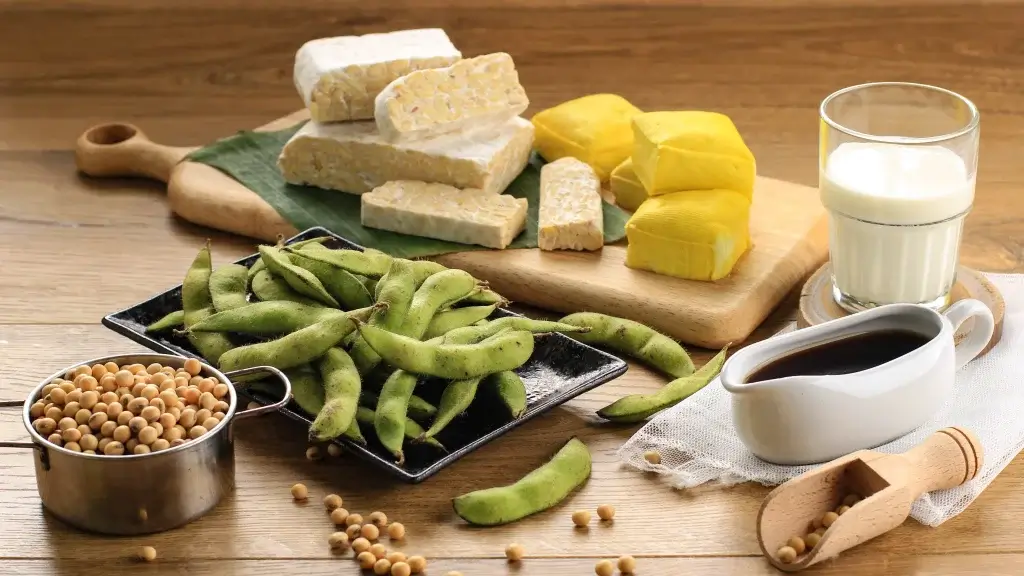
Practical whole-food options include:
- Tofu
- Tempeh
- Edamame
- Cooked soybeans
- Unsweetened soy milk
- Soy chunks
Choose whole or minimally processed forms where possible. Women with a history of hormone-sensitive cancer should discuss major dietary changes or concentrated isoflavone supplements with their oncology or menopause-care team.
2. Water-Rich Fruits and Vegetables
Cucumber, watermelon, muskmelon, oranges, tomatoes, gourds, leafy greens, and berries do not correct the brain pathway causing vasomotor symptoms.
They can, however, support hydration and make meals feel lighter and more comfortable during hot weather.
Sweating increases fluid loss, particularly when night sweats are frequent. Drink water regularly rather than waiting until you feel very thirsty.
During warmer Indian summers, plain water, lightly infused water, or unsweetened chaas may feel more comfortable than sugary cold drinks.
3. Fibre-Rich, Minimally Processed Meals
Vegetables, fruit, dals, beans, whole grains, nuts, and seeds support digestive and metabolic health. They also make it easier to build filling meals and manage weight gradually.
Some research suggests that dietary changes and weight loss may improve vasomotor symptoms in certain women with overweight or obesity, although weight loss is not a guaranteed treatment for hot flashes.
Simple meal combinations include:
- Dal with vegetables and rice
- Roti with sabzi, curd, and salad
- Oats with fruit and seeds
- Rajma with rice and vegetables
- Tofu and vegetable stir-fry
A useful perimenopause diet should feel sustainable, not punishing. You should not have to fear food or follow an unnecessarily restrictive plan to care for your body.
4. Protein at Main Meals
Protein does not directly cool a hot flash, but it supports muscle health, fullness, and more balanced meals during perimenopause.
Depending on your preferences and health requirements, include:
- Dal and beans
- Tofu
- Eggs
- Fish
- Chicken
- Yoghurt
- Paneer
This becomes especially helpful after a night of disrupted sleep, when cravings and irregular eating may become more likely.
Aim for a meal that combines protein, vegetables, fibre-rich carbohydrates, and a source of healthy fat.
5. Cold or Room-Temperature Drinks
Cold water may provide immediate comfort during a hot flash. The American College of Obstetricians and Gynecologists includes cold drinks among the practical cooling measures women can try.
The relief is supportive rather than curative, but that can still be valuable when an episode starts during work, travel, or sleep.
Keep water near your bed and carry a bottle when you go outdoors. When caffeine or very hot beverages appear to trigger your symptoms, experiment with a smaller serving, an earlier cut-off time, or a decaffeinated option.
Foods and Drinks You May Need to Limit
There is no universal banned-food list for vasomotor symptoms. Test the following as possible personal triggers rather than removing them automatically.
Caffeine
Coffee and strong tea may trigger symptoms in some women. Caffeine consumed later in the day can also interfere with sleep, which may already be disrupted by night sweats.
Try reducing the quantity or moving your tea or coffee to the morning before deciding that you need to remove it completely.
Alcohol
Alcohol can widen blood vessels, interrupt sleep, and trigger hot flashes in some women.
When night sweats are a problem, notice whether they become more intense or frequent after drinking alcohol.
Spicy Food
Chilli-heavy meals can create warmth and sweating even without menopause. When spicy food repeatedly appears before an episode, reduce the heat level and use herbs, citrus, ginger, or milder spices for flavour.
Sugary Drinks and Highly Processed Snacks
These foods are not proven direct causes of vasomotor symptoms. However, they may displace more nourishing foods and make it harder to maintain steady energy or manage weight.
Treat them as occasional choices rather than forbidden foods.
A Simple Eating Pattern for Hot-Flash Days
Begin your day with water at a comfortable temperature.
For breakfast, consider vegetable oats or besan chilla with curd. Add tofu or eggs when preferred.
A mid-morning snack could include watermelon, orange, guava, cucumber, or a small handful of nuts.
For lunch, combine dal or rajma with vegetables, salad, curd, and a moderate serving of rice or roti.
During the evening, try unsweetened soy milk, chaas, or a caffeine-free drink with roasted chana.
Dinner can include tofu, fish, chicken, paneer, or beans with cooked vegetables and a whole-grain carbohydrate.
Keep water, a fan, breathable nightwear, and a change of clothes near your bed when night sweats are frequent.
This is a flexible example rather than a prescription. Diabetes, kidney disease, food allergies, digestive conditions, and other health concerns may require personalised nutrition advice.
When Food Is Not Enough for Vasomotor Symptoms
You do not need to prove that you have tried every natural remedy before asking for medical support.
Speak with a qualified healthcare professional when vasomotor symptoms are frequent, severe, or disrupting your sleep and daily life.
Menopausal hormone therapy is the most effective treatment for hot flashes and night sweats for many suitable women. Evidence-based non-hormonal prescription options are also available for women who cannot or prefer not to use hormones.
Treatment should be personalised according to factors such as your age, menstrual history, whether you have a uterus, migraine or liver history, cancer history, clotting risk, current medication, and personal preferences.
Regular night sweats should also be assessed when they begin unexpectedly, repeatedly interrupt sleep, or occur alongside fever or unexplained weight loss. Sweating accompanied by chest pain, light-headedness, or fainting requires urgent medical attention.
Not every episode of flushing or sweating is caused by perimenopause. Thyroid disorders, infections, low blood sugar, medication effects, and other health conditions can sometimes produce similar symptoms.
The Bottom Line on Vasomotor Symptoms and Food
Vasomotor symptoms are real biological events—not an overreaction to warm weather.
Hormonal changes affect the brain’s temperature-control system, creating hot flashes during the day and night sweats during sleep.
Food can support your care plan by improving hydration, nutrition, meal quality, and weight management. Whole soy foods may help some women, but they cannot promise relief for everyone.
Track your personal triggers, make gradual changes, and do not delay evidence-based treatment when your symptoms are taking over your day or night.
FAQs
Hot flashes and night sweats are the main forms of vasomotor symptoms. A hot flash happens while you are awake, while a night sweat occurs during sleep. Both involve temporary disruption in temperature regulation and may include flushing, sweating, chills, uneasiness, or a racing heartbeat.
Yes. Some women notice hot flashes or night sweats before obvious menstrual changes. Perimenopause hormones can fluctuate for years, so symptoms do not always arrive in a neat order. A clinician can help rule out thyroid problems, medication effects, infections, and other possible causes.
No single food is guaranteed to reduce menopause hot flashes. Whole soy foods have the most direct dietary research, but findings remain inconsistent and individual responses differ. A balanced diet rich in vegetables, fruit, fibre, protein, and minimally processed foods supports overall health and symptom management.
Cold water may improve comfort and replace fluid lost through sweating, but it does not correct the hormonal and neurological changes behind vasomotor symptoms. Keep it nearby as a practical cooling tool. Frequent or severe episodes may still require personalised medical treatment.
The timeline varies considerably. A major longitudinal study found a median duration of 7.4 years for frequent symptoms, with a longer duration among women whose symptoms began earlier in the menopause transition. Seek support based on the impact of your symptoms rather than waiting for them to disappear.