

Menopause and body aches can make everyday life surprisingly exhausting.
Your shoulders feel stiff, your legs ache after a normal day, and getting up after sitting for a while seems harder than it used to.
Sometimes, it feels as though everything hurts at once.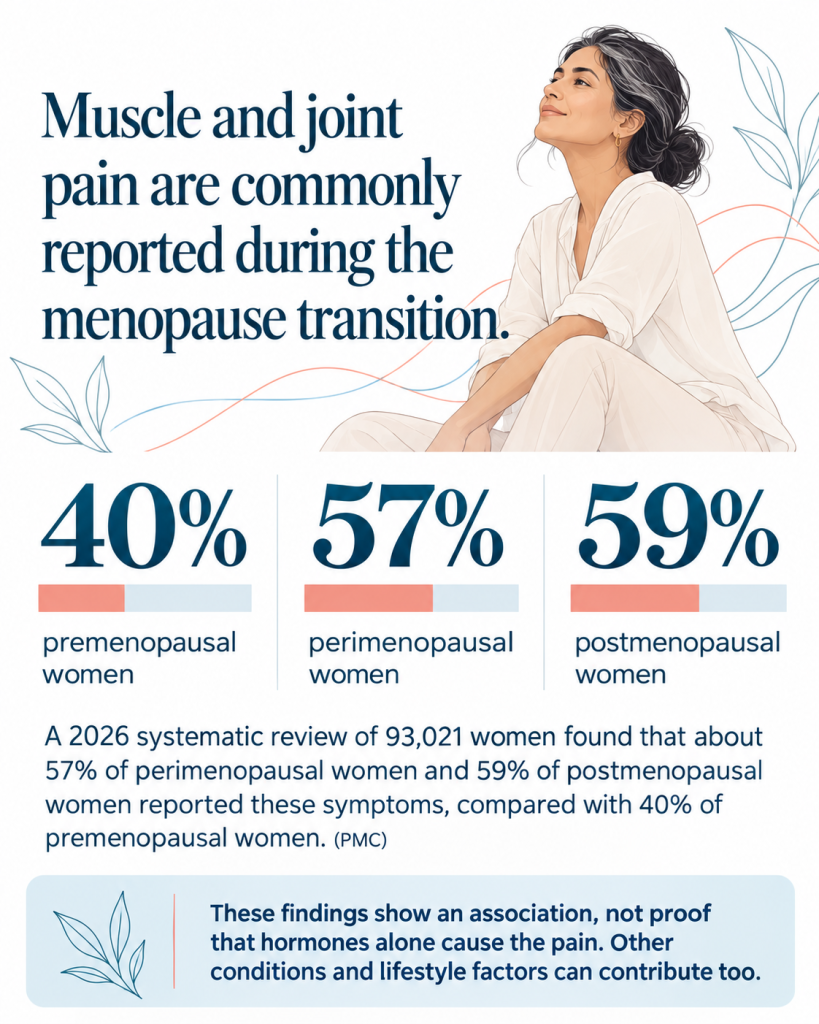 The important thing is not to dismiss widespread aches as inevitable ageing or assume menopause explains everything. (PMC)
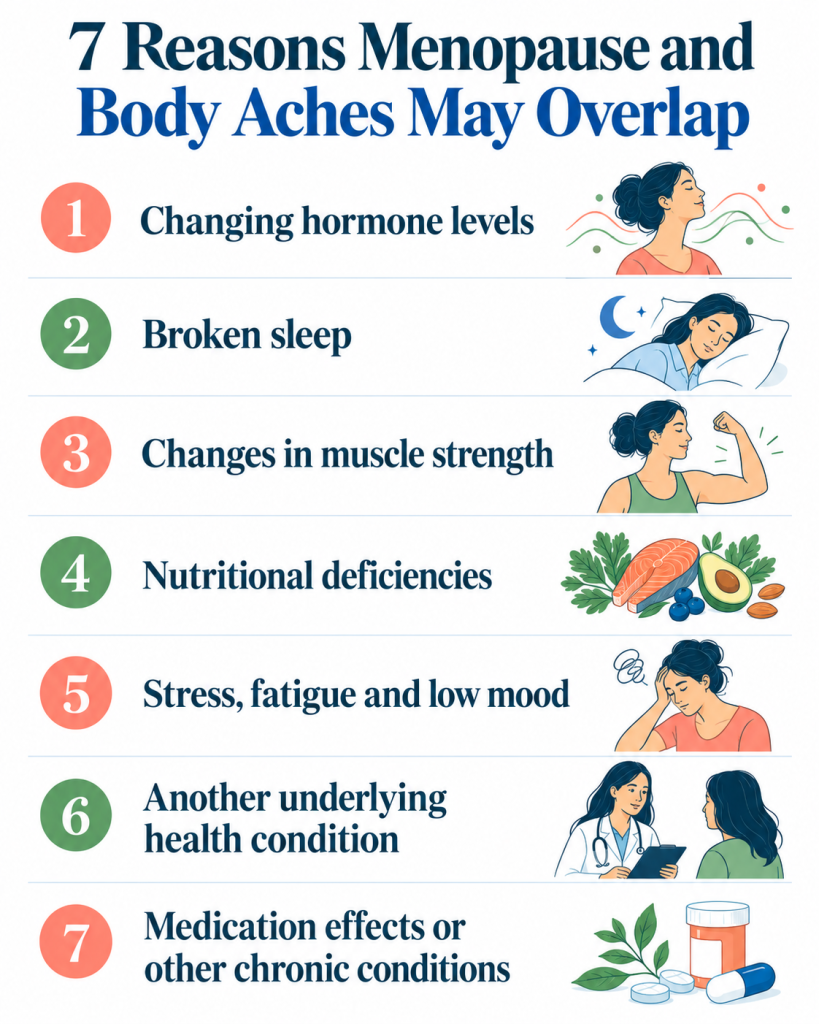
7 Reasons Menopause and Body Aches May Overlap
1. Changing hormone levels
Oestrogen influences several processes involved in musculoskeletal health. During perimenopause and menopause, some women notice more joint stiffness, muscle aches or general discomfort. Hormonal changes may contribute, but they do not explain every case of pain.
2. Broken sleep
Night sweats and other menopause symptoms can interrupt sleep. Poor sleep can make the nervous system more sensitive to pain, creating a frustrating cycle: discomfort disturbs sleep, and tiredness makes the discomfort harder to manage.
3. Changes in muscle strength
Muscle strength can decline with age, inactivity and other midlife changes. When the muscles around your hips and thighs become weaker, everyday tasks such as climbing stairs or getting up from a chair can feel more demanding. Gradual strengthening can help rebuild function.
4. Nutritional deficiencies
Vitamin D deficiency can cause osteomalacia, a condition that weakens bones and can cause deep bone pain and muscle weakness. Vitamin B12 deficiency may contribute to fatigue, weakness and tingling, while iron deficiency commonly causes tiredness and reduced energy. Insufficient dietary protein can also make maintaining muscle more difficult.
These symptoms overlap with many other conditions. Testing should be guided by your medical history and symptoms rather than assuming you need every supplement.
5. Stress, fatigue and low mood
Stress can influence muscle tension, sleep and how the nervous system processes pain. This does not mean the pain is imagined. Physical discomfort is real, and prolonged stress or exhaustion can make it harder to cope with.
6. Another underlying health condition
Hypothyroidism can cause fatigue, muscle aches and weakness. Inflammatory arthritis may cause swollen joints and prolonged morning stiffness. Fibromyalgia can cause widespread pain and tenderness alongside fatigue and poor sleep. In women over 50, marked shoulder and hip stiffness can also warrant assessment for polymyalgia rheumatica.
Recognising these patterns matters because each condition needs a different approach to treatment.
7. Medication effects or other chronic conditions
Some medicines, including statins, can cause muscle pain or weakness in certain people. Diabetes and other chronic conditions may also contribute to pain, fatigue or nerve symptoms. Tell your clinician about your medications and when your symptoms began; do not stop a prescribed medicine on your own.
(Harvard Health)
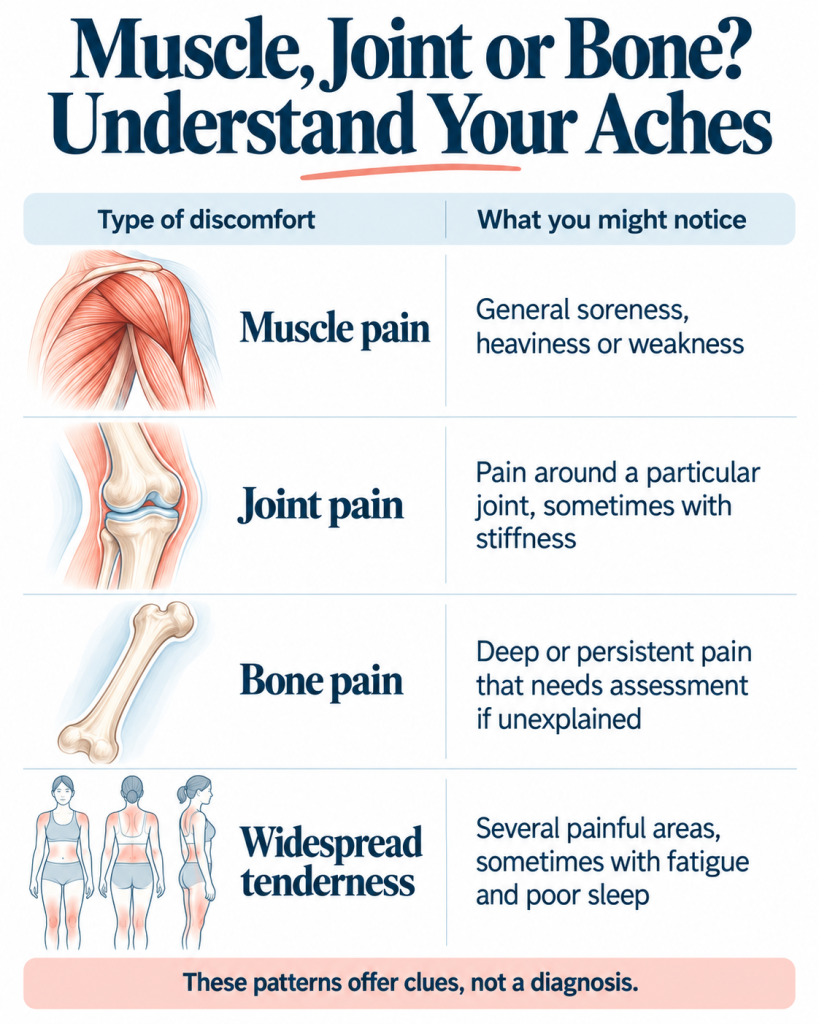
Muscle, Joint or Bone Pain: What Is the Difference?
The type of discomfort you experience can offer useful clues, although symptoms alone cannot establish a diagnosis.
-
Muscle pain often feels like diffuse soreness, heaviness or weakness.
-
Joint pain is usually felt around particular joints, sometimes with stiffness, swelling or warmth.
-
Bone pain may feel deep and persistent. Unexplained bone pain deserves medical assessment rather than repeated self-treatment.
-
Widespread tenderness can occur in chronic pain conditions, particularly when accompanied by fatigue and poor sleep. (MNT)
What Can Help Relieve Menopause Body Aches?
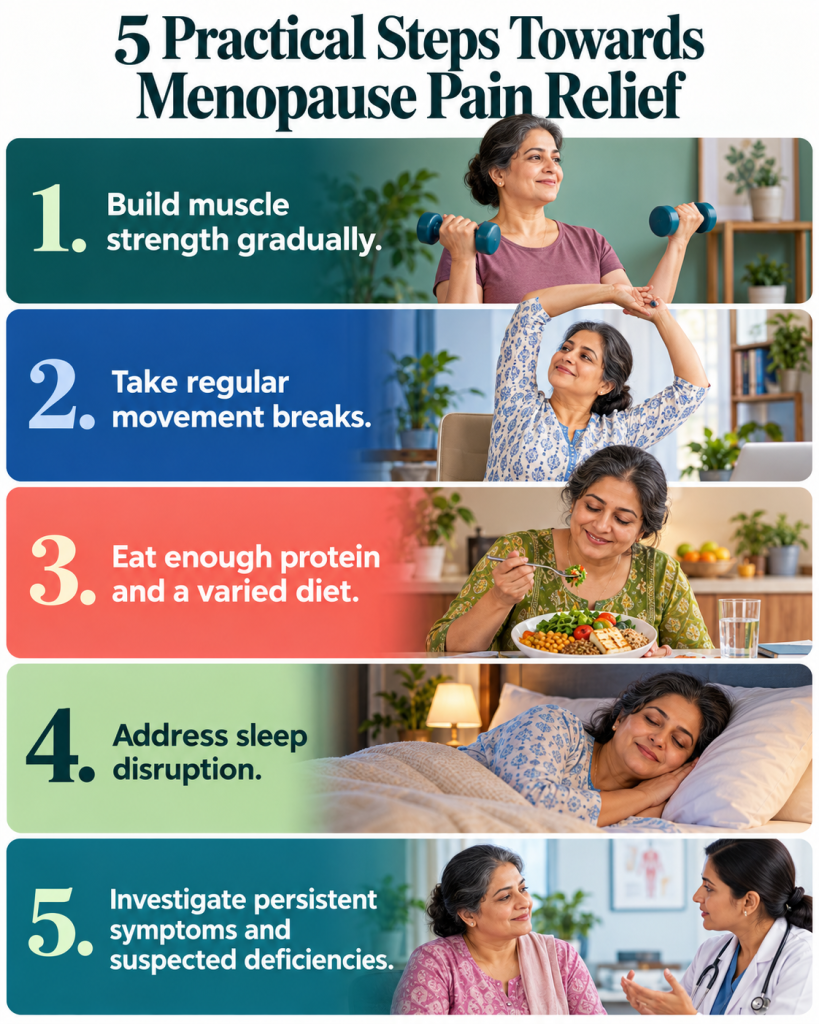
Start with manageable changes rather than trying to overhaul everything at once.
Build strength gradually.
Resistance exercises twice a week can help maintain muscle strength. Bodyweight movements, resistance bands and controlled sit-to-stand exercises are useful starting points. Adapt them to your ability and any existing health conditions.
Keep moving throughout the day.
Gentle walking, stretching and regular movement breaks may ease stiffness associated with prolonged inactivity. Increase activity gradually rather than pushing through significant pain.
Support your nutrition.
Include protein-rich foods such as dal, beans, paneer, eggs, dairy or other suitable alternatives across the day. A varied diet supports muscle and bone health.
Protect your sleep.
If night sweats or other menopause symptoms repeatedly wake you, discuss treatment options with your clinician.
Check deficiencies appropriately.
A clinician may recommend tests such as a blood count, ferritin, thyroid function, vitamin B12, vitamin D or blood glucose based on your symptoms and risk factors. Do not take high-dose supplements without appropriate advice.
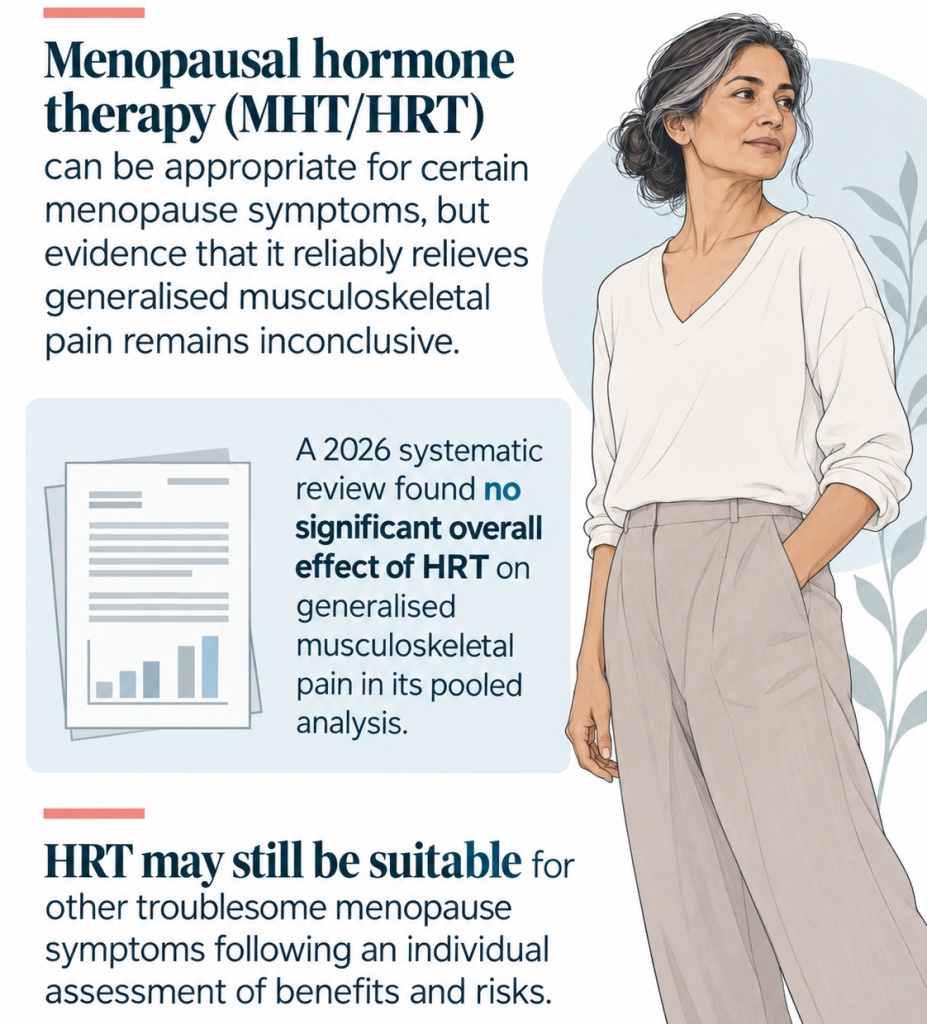
Could HRT Help With Body Aches?
Miror’s HRT Centre of Excellence is pioneering personalised HRT care for Indian women, with specialist-led assessment, individualised treatment options, safety guidance and ongoing monitoring. Start with a 3-minute HRT assessment to explore your options and discuss whether hormone therapy may be appropriate for your needs.
Explore Miror’s HRT Centre of Excellence.
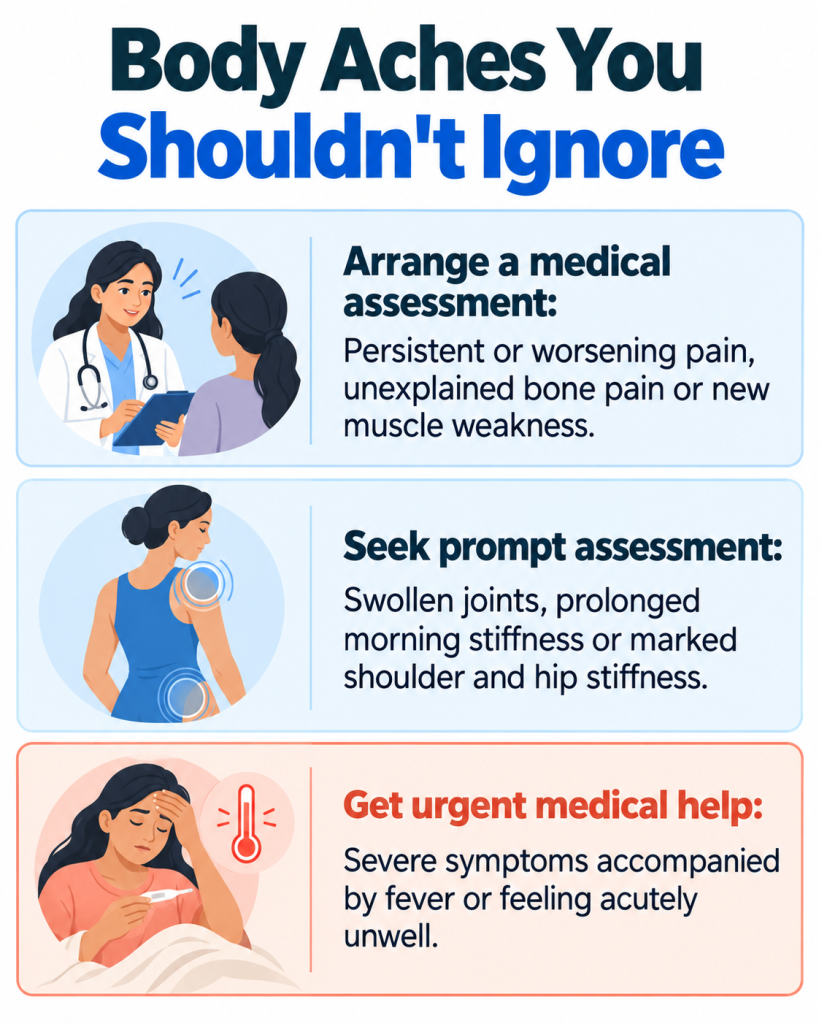
When Should You Get Body Aches Investigated?
Seek medical assessment if pain is persistent, progressively worsening or interfering with everyday activities.
Do not dismiss these warning signs:
-
Fever, night sweats or unexplained weight loss accompanying persistent pain.
-
Swollen or warm joints, particularly with prolonged morning stiffness.
-
Marked new pain and stiffness around the shoulders and hips, especially after age 50.
-
Deep, unexplained bone pain or genuine muscle weakness.
-
Difficulty climbing stairs or rising from a chair that is new or worsening.
-
Widespread pain with a history of cancer.
Persistent pain accompanied by fever, night sweats or weight loss also needs careful assessment for infections and other underlying conditions, including tuberculosis where clinically relevant.
The Takeaway
Menopause and body aches can overlap, but hormones are rarely the only factor worth considering. Sleep disruption, muscle strength, nutritional deficiencies, medication effects and other health conditions may all contribute.
You do not have to accept widespread pain as the price of getting older. Pay attention to the pattern, seek assessment when symptoms persist and address the factors that can be improved.
How Miror Can Support Your Menopause Wellness
Body aches can have several contributors, so looking after your wider wellbeing matters alongside identifying and treating the cause of persistent pain.
Miror Bliss is designed for women navigating perimenopause, with support for hot flashes, mood, sleep and energy.
Miror Thrive is designed for women after menopause, with broader wellness support that includes bone and joint health, energy and mood.
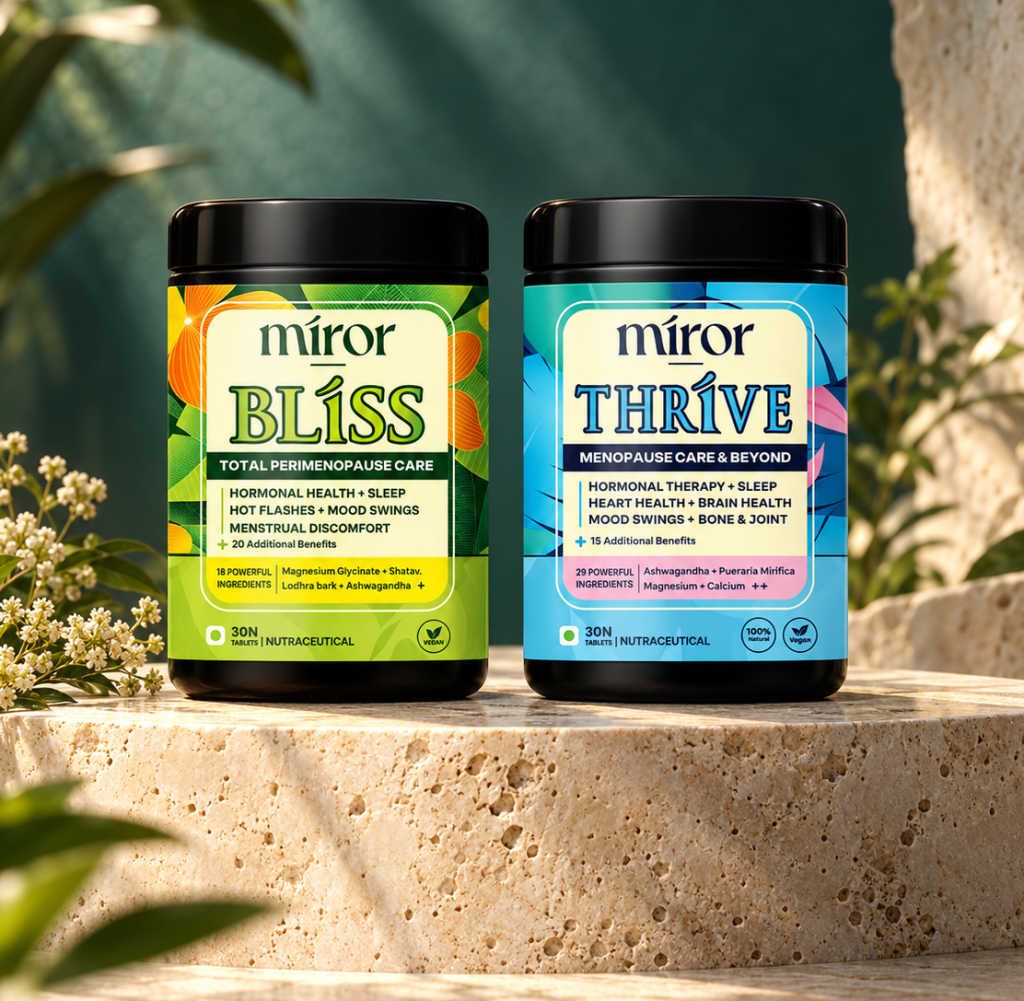
Both are multi-ingredient supplements intended to complement a wider wellness routine; not medicines for unexplained body aches or substitutes for medical assessment.
Explore Miror Bliss for perimenopause or Miror Thrive for post-menopause. Consult a qualified healthcare professional before starting supplements, especially if you take medication or HRT, or have an underlying health condition.
You Don’t Have to Navigate Menopause Alone!
Miror is India’s largest and only 360-degree integrative women’s wellness ecosystem and community. More than 95,000 women have received expert help and insights through Miror.
Connect with Miror doctors, health experts and nutritionists for personalised guidance on your symptoms, nutrition and wider menopause wellness.