
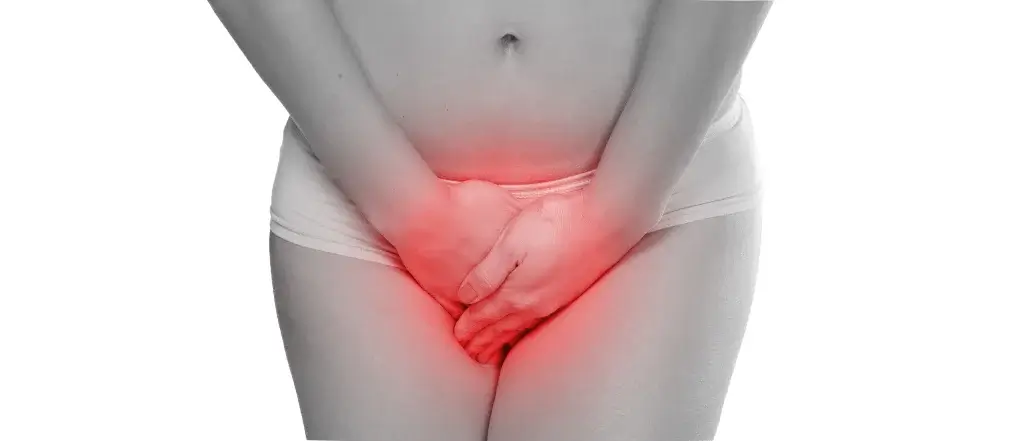
Menopause brings many changes to a woman’s body, some expected and others surprising. While hot flashes, night sweats, and mood swings often receive the most attention, menopause vaginal itching is another common symptom that many women experience but rarely talk about.
An itchy vagina after menopause can be uncomfortable, frustrating, and sometimes even embarrassing. It may interfere with daily activities, disturb sleep, affect intimacy, and lower confidence. Many women assume it’s simply a normal part of ageing and learn to live with it. In reality, persistent vaginal itching during menopause often has an identifiable cause—and, more importantly, effective treatments are available.
The most common reason behind menopause vaginal itching is the natural decline in estrogen levels. As estrogen decreases, the vaginal tissues become thinner, drier, and less elastic, making them more prone to irritation. However, hormonal changes aren’t the only possible cause. Infections, skin conditions, allergies, and, in rare cases, more serious medical conditions can also contribute to vaginal itching after menopause.
Understanding why menopause vaginal itching happens can help you recognize when symptoms are harmless, when they need medical attention, and what you can do to find lasting relief.
In this guide, we’ll cover everything you need to know about menopause vaginal itching, including its causes, symptoms, diagnosis, treatment options, home care tips, and when it’s time to consult a healthcare professional.
Is Menopause Vaginal Itching Normal?
Yes—menopause vaginal itching is very common.
As estrogen production declines during menopause, several changes occur within the vagina and surrounding tissues. The vaginal lining becomes thinner, natural lubrication decreases, and the balance of healthy bacteria changes. Together, these changes make the vaginal area more sensitive and susceptible to dryness, irritation, and itching.
Occasional mild itching that improves with moisturisers or lifestyle changes is usually not a cause for concern. However, itching that is persistent, severe, or accompanied by unusual discharge, bleeding, sores, or pain should always be evaluated by a healthcare provider.
Why Does Menopause Vaginal Itching Happen?
Hormones play a significant role in maintaining vaginal health throughout a woman’s reproductive years.
Estrogen helps keep vaginal tissues thick, well-lubricated, elastic, and naturally protected against harmful bacteria. After menopause, estrogen levels drop sharply, affecting nearly every aspect of vaginal health.
Several conditions can cause menopause vaginal itching.
1. Genitourinary Syndrome of Menopause (GSM)
The most common cause of menopause vaginal itching is Genitourinary Syndrome of Menopause (GSM).
Previously known as vaginal atrophy or atrophic vaginitis, GSM affects millions of postmenopausal women due to long-term estrogen deficiency.
As vaginal tissues become thinner and lose moisture, irritation develops easily, resulting in itching and discomfort.
Common symptoms include:
- Vaginal itching
- Vaginal dryness
- Burning sensation
- Pain during intercourse
- Reduced natural lubrication
- Frequent urinary tract infections
- Urinary urgency
- Mild spotting after intercourse
Because GSM develops gradually, many women mistake its symptoms for a natural part of ageing rather than a treatable medical condition.
2. Vaginal Dryness
Even without full GSM, declining estrogen can significantly reduce natural vaginal lubrication.
Dry tissues create friction during walking, exercise, sitting, and sexual activity. Tiny microscopic tears may develop, causing persistent itching and irritation.
Women often notice that itching worsens:
- At night
- After bathing
- Following intercourse
- During exercise
- After wearing tight clothing
Vaginal dryness remains one of the leading contributors to menopause vaginal itching.
3. Yeast Infection
Although yeast infections become less common after menopause, they can still occur.
Several factors increase the risk, including:
- Diabetes
- Antibiotic use
- Hormone therapy
- Weakened immunity
- High blood sugar levels
Unlike simple dryness, yeast infections usually produce additional symptoms such as:
- Intense itching
- Thick white discharge
- Redness
- Swelling
- Burning during urination
- Pain during intercourse
Prompt treatment usually resolves symptoms within a few days.
4. Bacterial Vaginosis (BV)
Hormonal changes after menopause also alter the vaginal microbiome.
Healthy Lactobacillus bacteria decrease, allowing harmful bacteria to multiply more easily.
Bacterial vaginosis may cause:
- Mild itching
- Thin white or grey discharge
- Fishy smell
- Burning while urinating
- Vaginal irritation
Although BV is more common in younger women, it can still occur after menopause.
5. Skin Conditions
Not every case of menopause vaginal itching begins inside the vagina.
Skin conditions affecting the vulva may also be responsible.
These include:
Lichen sclerosus
A chronic inflammatory condition causing:
- Severe itching
- Thin white patches
- Pain
- Skin tearing
- Scarring if untreated
Eczema or dermatitis
This may develop due to:
- Fragranced soaps
- Detergents
- Sanitary products
- Tight clothing
- Allergic reactions
Skin conditions require different treatments than hormonal causes, making proper diagnosis essential.
6. Sexually Transmitted Infections (STIs)
Although menopause ends fertility, it does not eliminate the risk of sexually transmitted infections.
Certain STIs may cause:
- Vaginal itching
- Burning
- Unusual discharge
- Pelvic pain
- Pain while urinating
- Sores or ulcers
Women who become sexually active with new partners after menopause should continue practising safe sex and undergo regular sexual health screening when appropriate.
7. Allergic Reactions and Irritants
The thinner vaginal tissues after menopause become much more sensitive to external products.
Common irritants include:
- Scented soaps
- Bubble baths
- Vaginal deodorants
- Fabric softeners
- Laundry detergents
- Tight synthetic underwear
- Panty liners
- Lubricants containing fragrances
Simply removing the irritating product often leads to significant improvement.
Can Menopause Vaginal Itching Be a Sign of Cancer?
One of the biggest fears many women have is whether vaginal itching could indicate cancer.
Fortunately, menopause vaginal itching alone is rarely caused by cancer.
However, persistent itching that occurs together with any of the following should always be evaluated promptly:
- Vaginal bleeding after menopause
- Persistent sores
- Skin thickening
- Unusual growths
- Persistent pelvic pain
- Blood-stained discharge
- Unexplained weight loss
Certain vulvar, cervical, vaginal, or endometrial cancers may occasionally present with itching or irritation, but these conditions are uncommon. Early diagnosis significantly improves treatment outcomes.
Symptoms That Shouldn’t Be Ignored
While mild menopause vaginal itching often improves with appropriate treatment, some symptoms require prompt medical evaluation.
Contact your healthcare provider if you experience:
- Severe or persistent itching
- Vaginal bleeding after menopause
- Thick white discharge
- Green, yellow, or foul-smelling discharge
- Pain during intercourse
- Burning while urinating
- Pelvic pain
- Fever
- Visible sores or ulcers
- Skin colour changes
- Swelling around the vulva
Ignoring persistent symptoms may allow underlying infections or skin conditions to worsen.
How Doctors Diagnose Menopause Vaginal Itching
Finding the cause of menopause vaginal itching begins with a detailed medical history.
Your healthcare provider may ask:
- When did the itching begin?
- Is it constant or occasional?
- Do you have vaginal dryness?
- Is there any discharge?
- Are you sexually active?
- Have you started new medications?
- Are you using hormone therapy?
- Have you noticed bleeding?
Depending on your symptoms, your doctor may recommend:
- Pelvic examination
- Vaginal swab
- Urine test
- Pap smear
- Blood sugar testing
- Skin biopsy (if skin disease is suspected)
- Ultrasound (if bleeding is present)
These tests help identify the underlying cause and guide the most appropriate treatment.
Treatment for Menopause Vaginal Itching
Treatment depends entirely on what’s causing the itching. Fortunately, most cases improve significantly with appropriate care.
1. Vaginal Moisturisers and Lubricants
For women experiencing dryness related to menopause, non-hormonal vaginal moisturisers are often the first line of treatment.
Unlike lubricants used only during intercourse, moisturisers help restore hydration for several days and improve overall vaginal comfort.
Water-based lubricants can also reduce discomfort during sexual activity and help prevent further irritation.
2. Local Estrogen Therapy
For women diagnosed with Genitourinary Syndrome of Menopause (GSM), low-dose vaginal estrogen is one of the most effective treatments.
Available as creams, tablets, or vaginal rings, local estrogen helps:
- Restore vaginal moisture
- Improve tissue thickness
- Reduce itching and burning
- Ease pain during intercourse
- Lower the risk of recurrent urinary tract infections
Because the medication acts mainly within the vaginal tissues, it uses much lower doses than systemic hormone therapy and is suitable for many women after medical evaluation.
3. Antifungal Medication for Yeast Infections
If a yeast infection is causing menopause vaginal itching, your healthcare provider may prescribe antifungal treatment. This may include vaginal creams, pessaries, or oral antifungal medication, depending on the severity of the infection.
Although over-the-counter antifungal products are widely available, it’s important not to assume every episode of itching is caused by a yeast infection. After menopause, symptoms are often related to hormonal changes rather than fungal infections, so getting the correct diagnosis is essential.
4. Antibiotics for Bacterial Vaginosis
If bacterial vaginosis (BV) is diagnosed, your doctor will usually prescribe antibiotics, either as oral tablets or vaginal gels.
Completing the full course of medication is important, even if symptoms improve within a few days. Stopping treatment early can increase the risk of recurrence.
5. Treatment for Skin Conditions
If the itching is caused by skin conditions such as lichen sclerosus, eczema, or contact dermatitis, treatment will depend on the specific diagnosis.
Your doctor may recommend:
- Prescription corticosteroid creams
- Fragrance-free moisturisers
- Avoiding known irritants
- Gentle skincare products
- Follow-up appointments to monitor healing
Early treatment can help prevent complications such as scarring or chronic discomfort.
6. Managing Allergies and Irritants
Sometimes, the simplest solution is identifying and removing the product causing irritation.
If you suspect an allergic reaction, avoid:
- Scented soaps and body washes
- Bubble baths
- Vaginal deodorants
- Harsh laundry detergents
- Tight synthetic underwear
- Perfumed sanitary products
Switching to gentle, fragrance-free products often helps reduce irritation within a few days.
Home Care Tips for Menopause Vaginal Itching
Alongside medical treatment, a few everyday habits can help soothe irritation and support vaginal health during menopause.
Keep the Area Clean—But Avoid Overwashing
Wash the vulva gently with lukewarm water or a mild, fragrance-free cleanser. Avoid scrubbing the area or using harsh soaps, as they can strip away natural oils and worsen dryness.
Avoid Douching
The vagina naturally maintains its own healthy balance of bacteria. Douching can disrupt this balance, increase irritation, and raise the risk of infections.
Wear Breathable Clothing
Choose loose-fitting clothing and cotton underwear whenever possible. Breathable fabrics help reduce moisture build-up, friction, and irritation.
Stay Hydrated
Drinking enough water supports overall skin and tissue health, including the vaginal tissues. While hydration alone won’t cure menopause vaginal itching, it contributes to maintaining healthy mucous membranes.
Eat a Nutrient-Rich Diet
A balanced diet supports immune function, tissue repair, and overall wellbeing.
Include foods rich in:
- Omega-3 fatty acids
- Vitamin E
- Vitamin D
- Calcium
- Protein
- Fruits and vegetables
- Whole grains
Some women also find that probiotic-rich foods like yogurt with live cultures help support a healthy vaginal microbiome, although more research is still ongoing.
Use Lubricants During Intercourse
If vaginal dryness is contributing to itching or discomfort during sex, water-based or silicone-based lubricants can reduce friction and improve comfort.
Avoid products containing perfumes, warming agents, or unnecessary chemicals that may irritate sensitive tissues.
Can Menopause Vaginal Itching Be Prevented?
While not every case can be prevented, healthy habits can reduce the risk of irritation and infections.
These include:
- Maintaining good intimate hygiene
- Wearing breathable cotton underwear
- Avoiding scented feminine hygiene products
- Staying physically active
- Managing diabetes effectively
- Drinking enough water
- Eating a balanced diet
- Attending regular gynaecological check-ups
- Seeking treatment early if symptoms develop
Early intervention often prevents symptoms from becoming more severe.
When Should You See a Doctor?
Arrange a medical evaluation if your menopause vaginal itching:
- Lasts for more than two weeks
- Becomes severe or keeps returning
- Is accompanied by vaginal bleeding
- Causes pain during urination or intercourse
- Occurs with unusual discharge or a foul smell
- Is associated with sores, ulcers, or skin changes
- Doesn’t improve with self-care measures
It’s always better to seek medical advice early rather than waiting for symptoms to worsen.
Menopause can bring unexpected symptoms like vaginal itching, dryness, and discomfort—but you don’t have to navigate them alone.
At Miror, we provide evidence-based menopause education, expert consultations, personalised care, symptom tracking tools, and a supportive community of women who understand what you’re going through. Whether you’re experiencing your first menopause symptoms or looking for long-term support, Miror helps you make informed decisions about your health with confidence.
Because menopause deserves understanding, not uncertainty.
FAQs
Yes. Menopause vaginal itching is a common symptom caused by declining estrogen levels, which make the vaginal tissues thinner and drier. Mild itching can often improve with vaginal moisturisers or lifestyle changes. However, persistent itching, bleeding, pain, or unusual discharge should always be evaluated by a healthcare professional.
Several conditions can contribute to menopause vaginal itching, including vaginal dryness, Genitourinary Syndrome of Menopause (GSM), yeast infections, bacterial vaginosis, allergic reactions, skin disorders such as lichen sclerosus, and, less commonly, sexually transmitted infections or other medical conditions. Identifying the underlying cause helps ensure appropriate treatment.
Yes. Treatment depends on the underlying cause. Options may include vaginal moisturisers, lubricants, low-dose vaginal estrogen therapy, antifungal medications for yeast infections, antibiotics for bacterial vaginosis, or prescription creams for skin conditions. Your healthcare provider can recommend the most suitable approach after evaluating your symptoms.
You should seek medical advice if the itching is severe, persistent, associated with vaginal bleeding, foul-smelling discharge, sores, pelvic pain, fever, or doesn't improve with self-care. Although serious conditions are uncommon, early diagnosis helps rule out infections and other underlying health concerns.
Mild irritation caused by temporary dryness or exposure to irritants may improve with gentle skincare and lifestyle changes. However, itching caused by hormonal changes, infections, or skin conditions often requires medical treatment. If symptoms continue for more than a couple of weeks or keep returning, it's important to consult your healthcare provider.