

Vaginal dryness during menopause is one of the most common yet least discussed symptoms women experience during midlife. Many women searching for vaginal dryness menopause solutions expect symptoms like hot flashes, irregular periods, and mood changes but are often surprised by the discomfort caused by vaginal dryness. For some, it begins as mild irritation. For others, it can make intimacy painful, cause discomfort during everyday activities, and affect confidence and overall wellbeing. Despite its impact, vaginal dryness remains one of the least discussed symptoms of menopause, leaving many women wondering whether it is simply a part of ageing that they have to accept.
The reality is that vaginal dryness is a recognized symptom of menopause caused primarily by declining estrogen levels. While it can affect your physical comfort, intimate relationships, and emotional wellbeing, it is not something you have to live with. Effective medical treatments are available, and nutrition and lifestyle habits can play an important supportive role in maintaining vaginal health and improving overall wellbeing.
Taking an integrative approach means bringing together the best of evidence based medical care with balanced nutrition, restorative sleep, regular movement, stress management, and other healthy lifestyle practices.
Rather than viewing these approaches as separate, they work together to support your body through menopause and help you feel your best.
Understanding Vaginal Dryness During Menopause
Vaginal dryness during menopause occurs when declining estrogen levels reduce the natural moisture, elasticity, and lubrication of the vaginal tissues. As a result, the vaginal lining becomes thinner, more fragile, and less flexible, which can lead to discomfort during everyday activities as well as intimacy.
Today, healthcare professionals recognize vaginal dryness as part of Genitourinary Syndrome of Menopause (GSM), a condition that affects the vagina, vulva, bladder, and urinary tract after menopause. While vaginal dryness is one of the most common symptoms, GSM can also include burning, itching, urinary urgency, recurrent urinary tract infections, and pain during intercourse.
Why Does Vaginal Dryness Happen During Menopause?
Estrogen plays a vital role in keeping the vaginal tissues healthy. It helps maintain their thickness, elasticity, natural lubrication, blood supply, and the slightly acidic environment that supports a healthy vaginal microbiome and protects against infections.
As estrogen levels begin to fluctuate during perimenopause and decline further after menopause, these protective changes gradually diminish. The vaginal tissues become thinner, drier, and less elastic, making them more prone to irritation and discomfort. Natural lubrication also decreases, which can make intimacy painful and everyday activities such as walking, exercising, or sitting for long periods uncomfortable for some women.
Understanding why these changes occur is important because vaginal dryness is not simply an inevitable part of ageing. It is a recognized medical condition associated with menopause, and effective treatment options are available to help manage symptoms and improve comfort.
Common Symptoms of Vaginal Dryness During Menopause
The symptoms of vaginal dryness can vary from woman to woman and may develop gradually over time. You may experience:
Vaginal dryness or a persistent feeling of discomfort
Burning, itching, or irritation
Pain or discomfort during intercourse
Light bleeding after sexual activity
Reduced natural lubrication
Frequent urinary tract infections (UTIs)
Increased urinary urgency or frequency
Discomfort while walking, exercising, or sitting for long periods
Because these symptoms often develop slowly, many women assume they are simply a part of ageing. However, they are commonly associated with menopause and can usually be managed effectively with the right treatment and supportive lifestyle measures.
Is Vaginal Dryness During Menopause Normal?
Yes, vaginal dryness is a common symptom of menopause. However, that doesn’t mean you have to accept it as a normal part of ageing or live with the discomfort.
Studies suggest that between 27% and 84% of postmenopausal women experience symptoms of Genitourinary Syndrome of Menopause (GSM). Despite how common it is, many women delay seeking help because they feel embarrassed, believe their symptoms are not serious enough, or assume that nothing can be done. The reality is that effective treatment options are available, and seeking timely care can significantly improve comfort, intimacy, and overall wellbeing.
How Is Vaginal Dryness Diagnosed?
Diagnosing vaginal dryness is usually straightforward. Your healthcare provider will begin by discussing your symptoms, medical history, and menstrual history to understand how menopause may be affecting your vaginal health.
Depending on your symptoms, they may also recommend:
A pelvic examination to assess the health of the vaginal tissues
Tests to rule out infections or other skin conditions if symptoms are unusual or persistent
Additional investigations if symptoms do not improve with treatment or if another underlying condition is suspected
An early diagnosis can help you access the right treatment sooner and prevent symptoms from affecting your quality of life.
How Nutrition and Lifestyle Can Support Vaginal Health
Nutrition and lifestyle changes cannot replace medical treatment for vaginal dryness during menopause, but they can support your overall health and complement your treatment plan. An integrative approach focuses on creating habits that help your body function at its best while addressing the root causes of poor health.
Prioritise Healthy Fats
Healthy fats help support cell health and reduce inflammation in the body. Include foods such as flaxseeds, walnuts, and fatty fish if you eat non vegetarian food. These foods support overall wellbeing but are not a substitute for medical treatment.
Stay Well Hydrated
While drinking more water won’t directly increase vaginal lubrication, staying hydrated supports your body’s natural functions and may help reduce the feeling of dryness. Aim to drink enough water throughout the day and include water-rich fruits and vegetables in your diet.
Include Phytoestrogen Rich Foods
Some plant foods contain natural compounds called phytoestrogens that may offer modest support during menopause. Foods such as soy, tofu, and flaxseeds can be included as part of a balanced diet, but they do not replace estrogen therapy when medical treatment is needed.
Support Gut Health
A healthy gut plays an important role in overall wellbeing. Eating plenty of vegetables, fruits, whole grains, legumes, and fermented foods can help support a healthy gut microbiome and your overall health during menopause.
Manage Stress
Chronic stress can affect arousal, sleep, and emotional wellbeing, making vaginal dryness feel more distressing. Practices such as deep breathing, meditation, yoga, or spending time in nature can help you better manage stress.
Prioritize Quality Sleep
Good sleep supports your body’s natural repair processes and overall hormonal health. If hot flashes or night sweats are disrupting your sleep, speak with your healthcare provider about appropriate treatment options.
Stay Physically Active
Regular physical activity improves blood circulation, muscle strength, mood, and overall health. Walking, strength training, yoga, or any form of movement you enjoy can help you stay active during menopause.
Strengthen Your Pelvic Floor
Pelvic floor exercises can support bladder control, sexual function, and pelvic health. If you experience pain during intercourse or persistent pelvic discomfort, a pelvic floor physiotherapist can recommend exercises suited to your needs.
When Should You See a Doctor?
Speak with your healthcare provider if you experience:
Persistent vaginal dryness
Pain during intercourse
Frequent urinary tract infections
Bleeding after sex
Unusual vaginal discharge
Symptoms that affect your daily life
Seeking medical advice early can help you find the right treatment and prevent symptoms from worsening.
Medical Treatments for Vaginal Dryness During Menopause
The most appropriate treatment for vaginal dryness during menopause depends on the severity of your symptoms, your medical history, and whether you’re experiencing other menopause-related concerns.
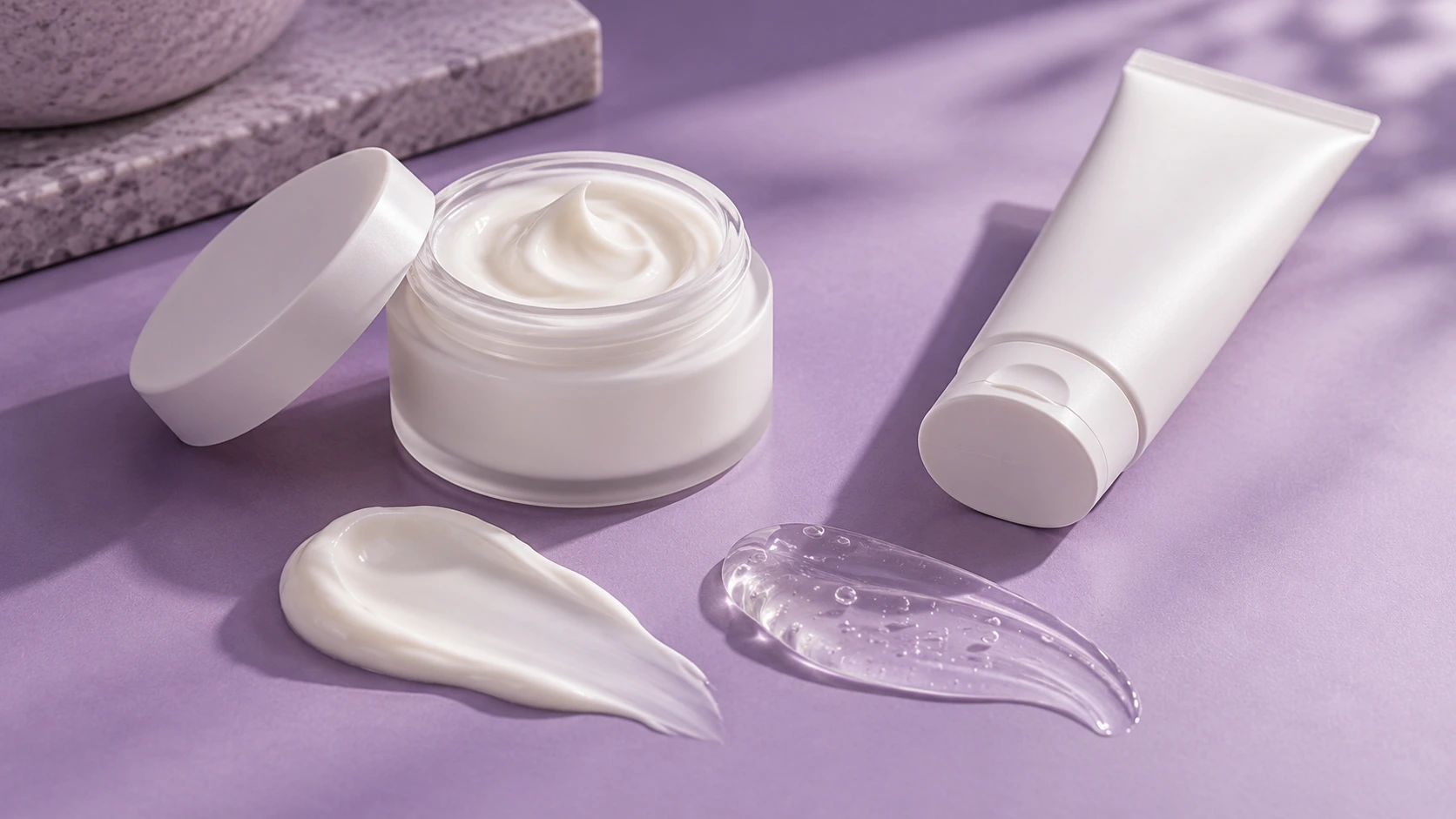
For mild symptoms, over the counter vaginal lubricants can help reduce discomfort during intimacy, while vaginal moisturizers provide longer-lasting hydration and can be used regularly to relieve day-to-day dryness. If your symptoms are moderate to severe, your healthcare provider may recommend low dose vaginal estrogen. As one of the most effective treatments for vaginal dryness caused by menopause, it works directly on the vaginal tissues to improve moisture, elasticity, and overall comfort, with minimal absorption into the bloodstream.
Women who are also experiencing symptoms such as hot flashes or night sweats may benefit from systemic menopausal hormone therapy, if it is appropriate for their individual health profile. In some cases, other prescription treatments, including vaginal DHEA or ospemifene, may also be considered.
The best treatment is one that is tailored to your individual needs. Speaking with your healthcare provider can help you understand the available options and choose an approach that is both safe and effective for you.
Looking Ahead
Vaginal dryness is one of the most common symptoms of menopause, but it doesn’t have to become your new normal. While declining estrogen is the primary cause, a combination of appropriate medical treatment and supportive lifestyle habits can make a meaningful difference. Nourishing your body with a balanced diet, staying active, managing stress, and prioritizing sleep won’t replace medical care, but they can complement it and support your overall wellbeing. Most importantly, don’t suffer in silence. Starting the conversation with your healthcare provider is often the first step towards feeling more comfortable and confident again.
FAQs
Not necessarily. Vaginal dryness is primarily caused by lower estrogen levels after menopause, so it often persists without treatment. However, many women experience significant and lasting relief with the right treatment, such as vaginal moisturizers, lubricants, or vaginal estrogen, depending on the severity of their symptoms.
Yes. The drop in estrogen during menopause can affect both the vaginal tissues and the urinary tract, increasing the risk of recurrent urinary tract infections (UTIs) in some women. If you experience frequent UTIs along with vaginal dryness, it's important to speak with your healthcare provider, as treating the underlying estrogen deficiency may help reduce recurring infections.
Regular sexual activity, with or without a partner, can help improve blood flow to the vaginal tissues and support tissue flexibility. However, it does not address the underlying estrogen deficiency that causes vaginal dryness during menopause. If your symptoms are persistent or severe, speak with your healthcare provider about appropriate treatment options.
No. Although both can help relieve symptoms, they work differently. Vaginal lubricants are used during sexual activity to reduce friction and discomfort, while vaginal moisturizers are applied regularly, regardless of sexual activity, to improve everyday hydration and comfort.
Regular sexual activity, with or without a partner, can help improve blood flow to the vaginal tissues and support tissue flexibility. However, it does not address the underlying estrogen deficiency that causes vaginal dryness during menopause. If your symptoms are persistent or severe, speak with your healthcare provider about appropriate treatment options.