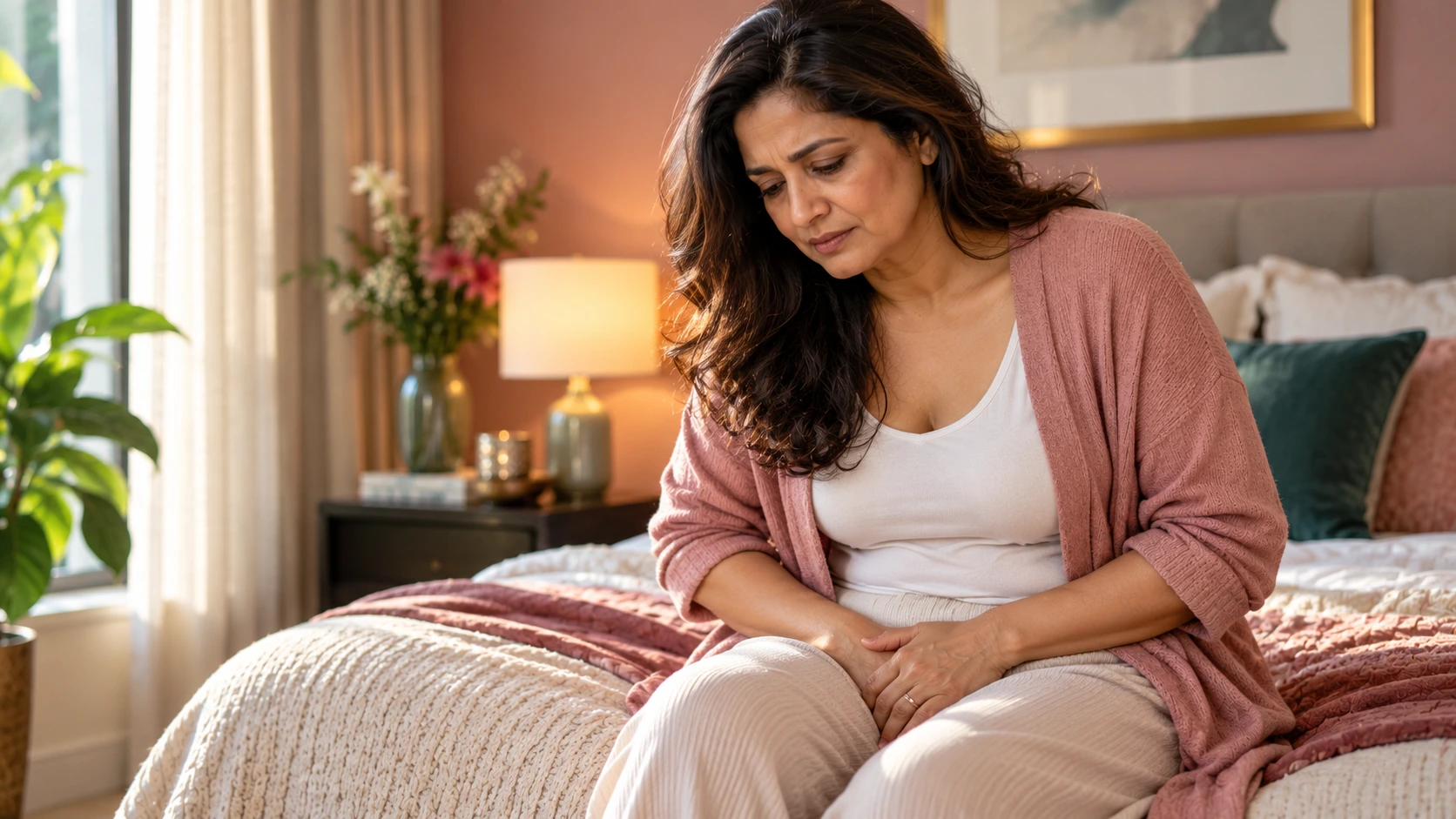

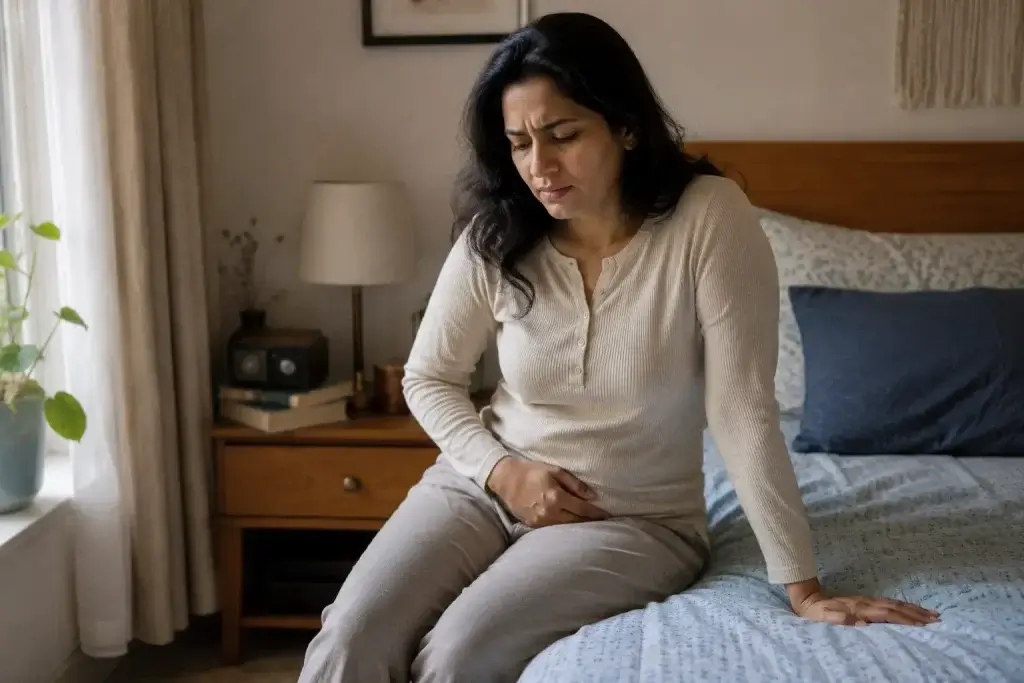
Pelvic pain, fatigue, changing periods and disrupted sleep can all appear during midlife. But not every new symptom is a sign of perimenopause.
This is particularly important when it comes to recognizing endometriosis symptoms during perimenopause. Endometriosis and perimenopause can share some symptoms, which can make it difficult to know whether a change is related to the menopause transition or needs further evaluation. Endometriosis can also continue into the years approaching menopause.
Recognizing symptom patterns can help you have a more informed conversation with your healthcare professional. Nutrition can also support overall health during this stage, but it should complement medical care rather than replace it.
Why Endometriosis and Perimenopause Can Be Confused
Both conditions can affect periods, energy, sleep, mood and pain. Perimenopause can make periods heavier, lighter, shorter, longer or less predictable. Endometriosis can cause painful periods, pelvic pain, heavy bleeding and fatigue. Because pelvic pain can have several causes during the menopause transition, understanding its patterns and potential red flags can help determine when further evaluation may be needed. The important difference is often the pattern and nature of the symptoms.
Endometriosis is particularly associated with period related pelvic pain, painful periods and pain involving the bowel, bladder or during sex. Perimenopause is more commonly associated with changing menstrual patterns alongside symptoms such as hot flashes, night sweats, vaginal dryness and sleep or mood changes.
Because symptoms can overlap, it is important not to assume that every new pelvic symptom is simply part of perimenopause.
Endometriosis Symptoms: What to Look For
1. Pelvic Pain and Painful Periods
One of the most important endometriosis symptoms is period related pelvic pain, particularly when it is severe, persistent or affects daily activities and quality of life.
The pain may begin before the period and continue during menstruation. Some women may also experience pelvic pain outside their periods.
Painful periods are common, but pain that repeatedly disrupts work, exercise, sleep or everyday life deserves medical attention rather than being dismissed as something a woman simply has to live with.
2. Pain During Sex, Bowel Movements or Urination
Endometriosis can also cause deep pain during or after sex, painful bowel movements or urinary symptoms, particularly around menstruation.
Some women may experience bowel or bladder symptoms that follow a cyclical pattern. These symptoms are not diagnostic of endometriosis on their own, but their timing and recurrence can provide useful information for a healthcare professional.
3. Heavy Periods, Fatigue and Other Symptoms
Heavy bleeding can occur with endometriosis, although it is not specific to the condition. Fatigue is also commonly reported and may be influenced by persistent pain, heavy bleeding, disrupted sleep or other factors.
Endometriosis can also be associated with difficulty in getting pregnant.
Perimenopause Symptoms: What Changes Differently
1. Changing Period Patterns
For many women, menstrual changes are among the earliest signs of perimenopause.
Periods may become less predictable, with changes in their timing, duration or flow. Some cycles may be shorter while others may be longer.
However, changing periods alone do not explain severe or newly developing pelvic pain.
2. Hot Flashes, Night Sweats and Sleep Changes
Hot flashes and night sweats are characteristic perimenopause symptoms. They can interfere with sleep and contribute to daytime tiredness.
Sleep difficulties can also occur during the menopause transition for several reasons, making it useful to consider the complete pattern of symptoms rather than attributing everything to one cause.
3. Mood, Vaginal and Other Midlife Symptoms
Perimenopause can also involve mood changes, vaginal dryness, changes in sexual desire, difficulty concentrating and other physical symptoms.
Vaginal dryness may contribute to discomfort during sex. This can be different from the deep, cyclical pelvic pain more commonly associated with endometriosis.
Endometriosis Symptoms vs Perimenopause: Key Differences
The biggest difference is often the pattern of symptoms.
Endometriosis is more suggestive when pelvic pain is severe, recurrent and closely linked to periods, particularly when it occurs with pain during sex or bowel and bladder movements.
Perimenopause is more commonly associated with changing menstrual patterns, hot flashes, night sweats, sleep changes and vaginal symptoms.
However, the two can coexist, and symptoms are not diagnostic on their own. In particular, endometriosis symptoms in women over 40 should not automatically be attributed to perimenopause. New, severe or worsening pelvic pain should be evaluated by a healthcare professional.
Why Getting the Difference Right Matters
Endometriosis is often associated with delays between the onset of symptoms and diagnosis. Research has found that women can experience symptoms for years before receiving a diagnosis, highlighting the importance of recognizing potential symptoms and seeking appropriate evaluation.
There is no single symptom that confirms endometriosis. Pelvic pain and menstrual changes can have several possible causes, so diagnosis requires appropriate clinical assessment.
Medical evaluation is particularly important when pelvic pain is severe, persistent, worsening or affecting everyday life, or when pain occurs during sex or bowel and bladder movements.
The aim is not to diagnose yourself based on a symptom checklist. It is to recognize when a symptom pattern deserves a conversation with a healthcare professional.
Why Nutrition Matters for Both
Nutrition cannot cure endometriosis or stop perimenopause. But an overall nutrient dense eating pattern can support general health through both conditions.
Research into the endometriosis diet is still developing. Studies of dietary interventions have explored whether changes in dietary patterns can influence pain, inflammation or quality of life, but the evidence is not strong enough to recommend one specific diet for every woman.
A practical approach is to focus on dietary quality rather than individual foods.
This can include vegetables, fruits, whole grains, pulses, adequate protein, nuts, seeds, healthy fats and calcium rich foods. These foods can contribute fiber, protein, essential fats, vitamins and minerals that support overall health during midlife.
An anti-inflammatory diet for endometriosis should therefore be understood as supportive nutrition. It should not be presented as a treatment or replacement for medical care.
Building an Indian Plate for Better Nutrition
You do not need a special meal plan to improve the overall quality of your diet.
Familiar Indian meals can provide a balanced combination of nutrients. Dal, rajma or chana can contribute protein and fiber, vegetables add variety and micronutrients, while roti or rice can provide carbohydrates. Curd or paneer can contribute protein and calcium, and nuts, seeds and seasonal fruits can add further nutrients.
For women experiencing endometriosis symptoms during perimenopause, the focus should be on overall dietary quality and consistency, rather than eliminating specific foods or trying to use food to treat endometriosis or control menopause symptoms.
Look Beyond the Symptom
Symptoms are information, not a diagnosis.
When a woman notices pelvic pain, changing periods, fatigue or sleep disruption, the first step is to understand the pattern rather than assume every change is hormonal. This becomes particularly important during perimenopause, when several symptoms can appear at the same time.
Nutrition has a role, but it is one part of the picture. A balanced dietary pattern can support overall health and nutritional needs while appropriate medical care addresses conditions such as endometriosis and manages menopause related symptoms.
The goal is not to find one food or one diet that fixes everything. It is to recognise symptoms appropriately, seek the right care and use nutrition as supportive care alongside medical treatment.
For more expert led guidance, practical resources and support through perimenopause and menopause, download the MIROR app on the Google Play Store or Apple App Store.
FAQs
Yes. Endometriosis can continue into the menopause transition. Symptoms may change over time, so entering perimenopause does not automatically mean previous endometriosis related symptoms are no longer relevant.
No. Endometriosis symptoms may improve for some women after menopause, but the condition should not automatically be assumed to disappear. New or persistent symptoms after menopause require medical assessment.
Perimenopause can be associated with pelvic discomfort, but persistent, severe or cyclical pelvic pain should not automatically be attributed to hormonal changes. Symptoms such as deep pain during sex or pain with bowel movements or urination, particularly around periods, may warrant evaluation for endometriosis or another underlying condition.
Yes. Endometriosis and perimenopause can both affect menstrual patterns, making changes in bleeding or cycle timing harder to interpret. Endometriosis may continue to cause period related pain or other cyclical symptoms, while perimenopause can make periods more irregular, heavier, lighter, shorter or longer.
Pelvic pain during perimenopause may have several causes, but endometriosis should be considered when pain is severe, recurrent or follows a cyclical pattern. Pain during sex or bowel movements, particularly when linked to menstruation, can also occur with endometriosis. Because perimenopause can change menstrual patterns and symptoms, new or worsening pelvic pain should be discussed with a healthcare professional.