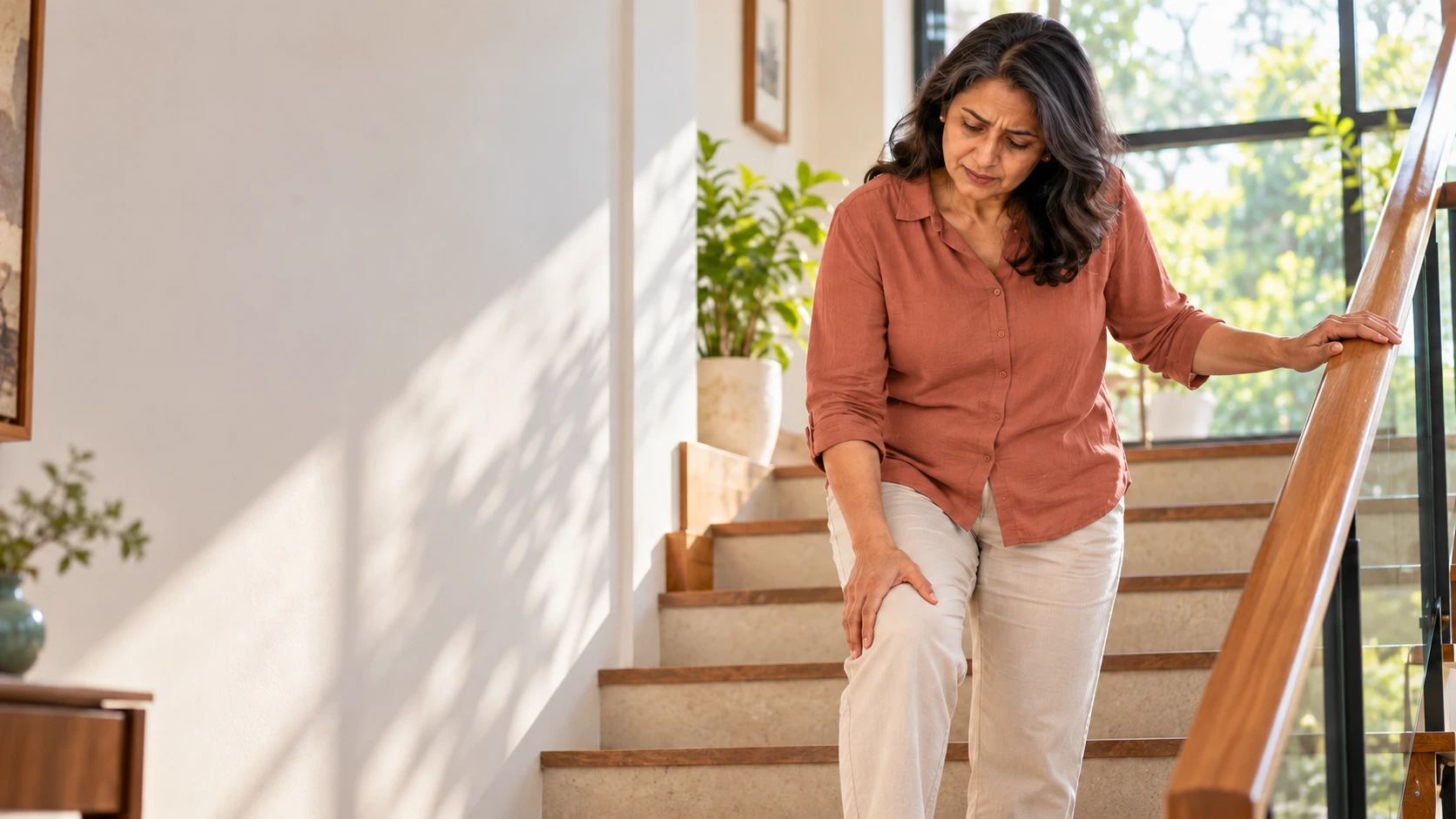

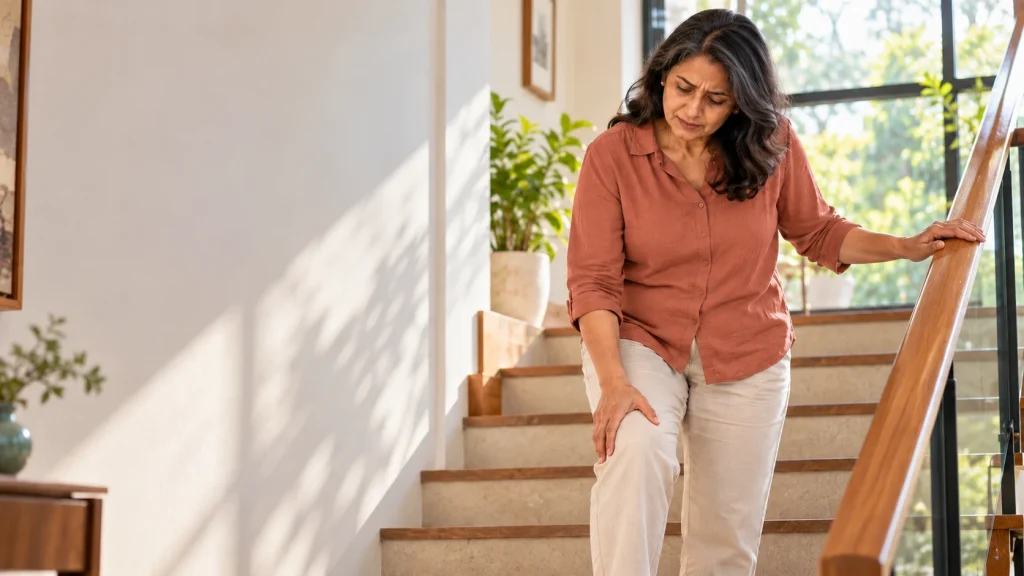
Menopause knee pain can make everyday activities feel
more difficult than before..
If your knees have started aching during perimenopause or after menopause, you may wonder whether changing hormone levels are responsible.
Understanding what might be causing your discomfort is the first step towards finding appropriate relief.
(NIH)
Is Knee Pain a Symptom of Menopause?
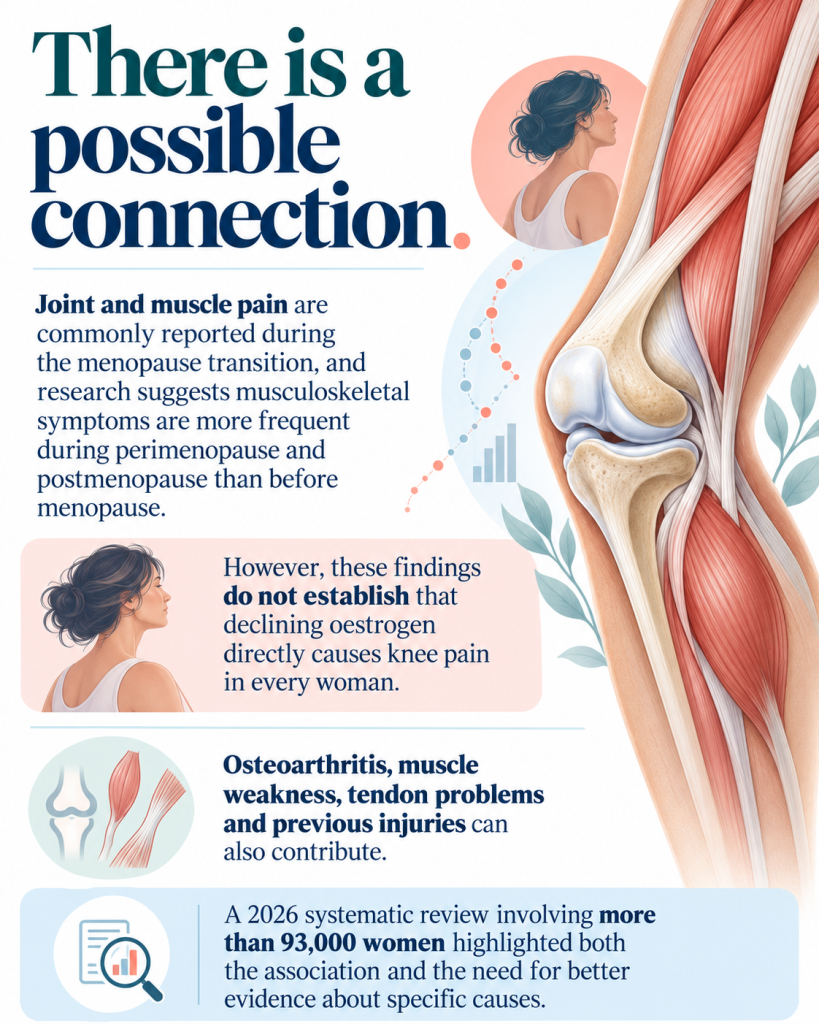
Knee pain can occur around menopause, but it is important to distinguish a possible association from a confirmed cause.
Oestrogen is involved in several processes affecting musculoskeletal health. Hormonal changes during the menopause transition coincide with changes in muscle function, body composition and other aspects of joint health. Some women notice new aches, stiffness or reduced comfort during physical activity.
However, the term “menopausal arthritis” is not a specific medical diagnosis. Knee pain during menopause does not automatically mean you have arthritis, nor does it prove that hormones are responsible.
The location, timing and severity of your pain—and whether you have swelling, stiffness or difficulty moving the joint—can help your clinician determine what needs further investigation.
Cartilage, Muscles or Tendons: Where Is the Pain Coming From?
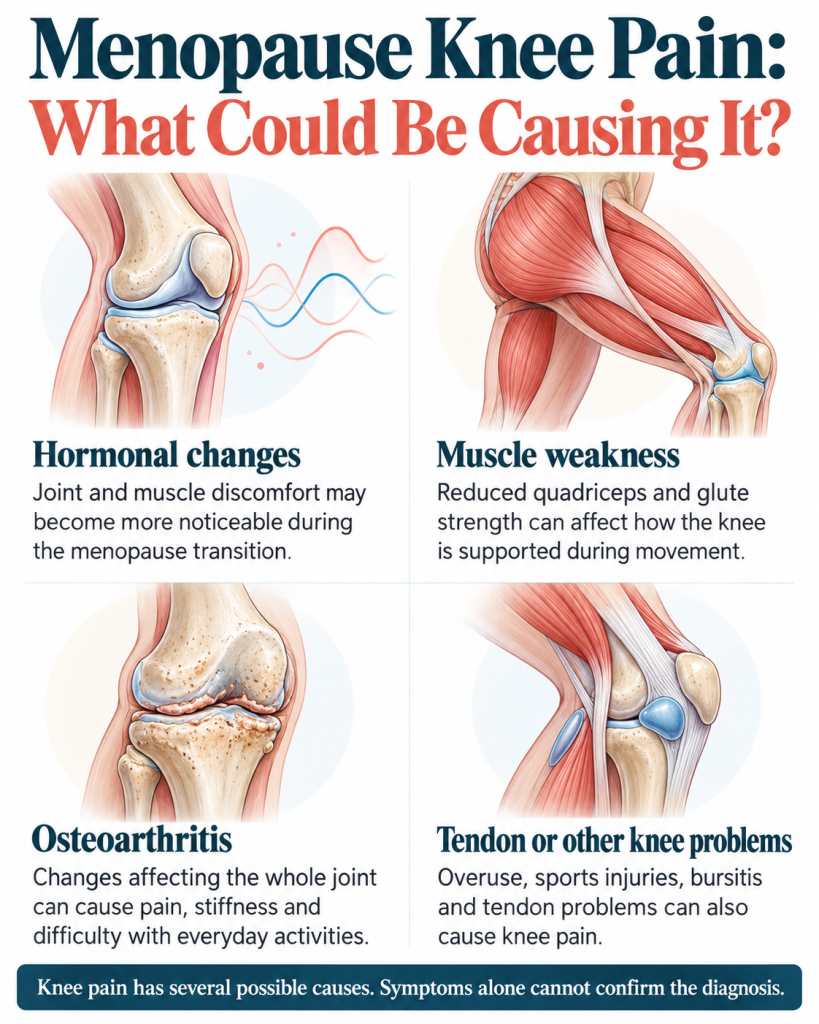
The knee is supported by cartilage, muscles, tendons, ligaments and other structures. Pain can arise from any of them, and different problems can produce overlapping symptoms.
Cartilage and joint changes: Osteoarthritis affects the whole joint, including cartilage and bone. Pain often becomes more noticeable with activity, and stiffness after rest may occur.
Muscle weakness: The quadriceps at the front of the thigh and the gluteal muscles around the hips help control movement and support the lower limbs. Reduced strength or conditioning can make everyday activities more demanding.
Tendon and surrounding tissue problems: Tendinopathy, bursitis and irritation after repetitive activity can cause pain around the kneecap or elsewhere in the knee.
A previous injury, sudden increase in exercise or changes in how you move may also contribute. Pain location can offer clues, but a clinical assessment is needed when symptoms persist or interfere with daily life.
Could It Be Osteoarthritis?
Osteoarthritis is a common cause of knee pain in midlife and later life. It involves changes throughout the joint, which may lead to pain, stiffness, tenderness, swelling or a grating sensation during movement.
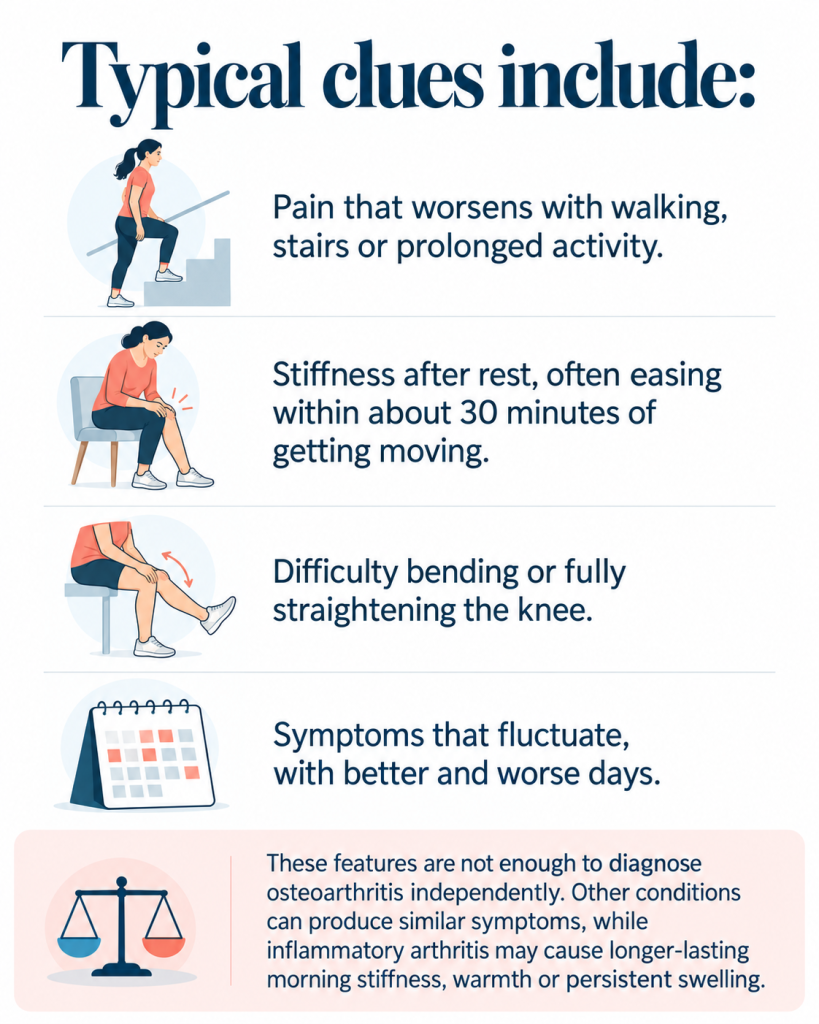
For people aged 45 and older with a typical pattern of activity-related pain and little or brief morning stiffness, osteoarthritis can often be diagnosed clinically without routine imaging. A clinician may recommend tests if the symptoms are unusual or another condition is suspected.
(NICE)
What Helps Relieve Menopause Knee Pain?
The right approach depends on the cause. For many knee conditions, building strength, staying appropriately active and avoiding repeated aggravation can improve movement and function.
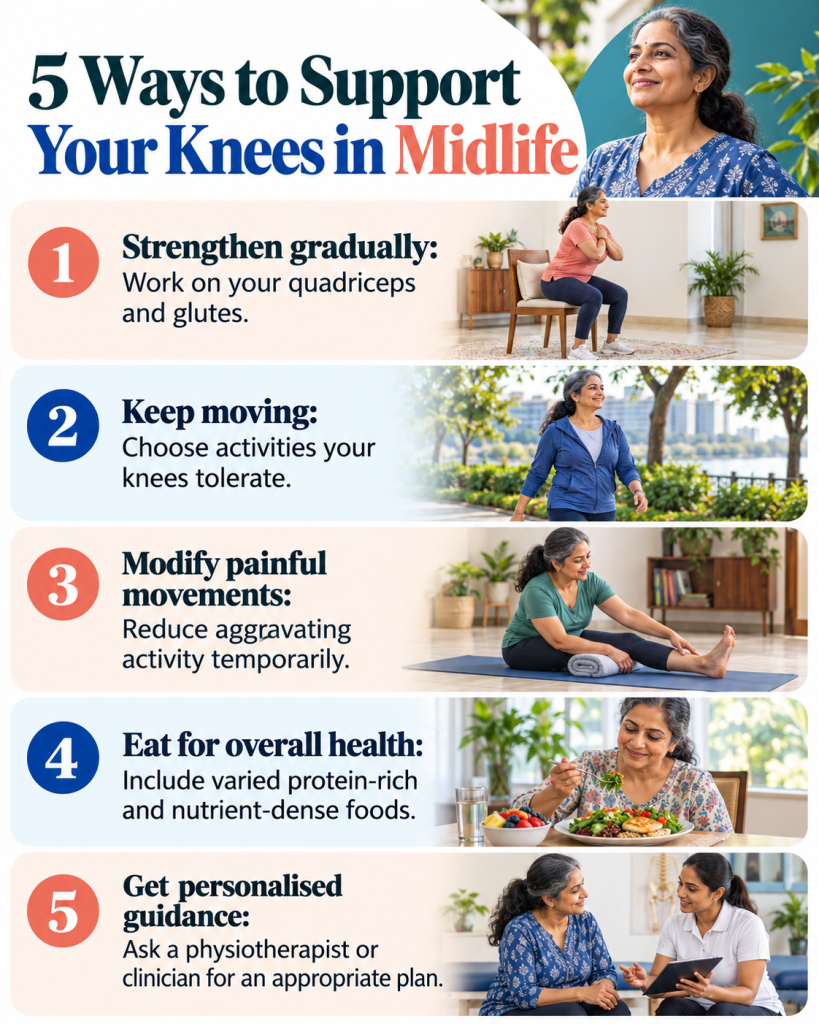
1. Build quadriceps and glute strength
Strengthening the muscles around the knees and hips can help support movement. A physiotherapist may recommend exercises such as sit-to-stand movements, controlled knee extensions or other exercises suited to your symptoms and ability.
Start gradually. If an exercise causes sharp or worsening pain, significant swelling or difficulty bearing weight, stop and seek advice. Regular, appropriately tailored exercise is a core treatment for osteoarthritis. (NICE)
2. Choose movement you can sustain
Walking on level ground, cycling or water-based exercise may be more comfortable than repeated jumping or high-impact activity. You do not necessarily need to stop exercising, but you may need to reduce intensity temporarily and build back up as symptoms allow.
3. Adjust activities on painful days
Break up prolonged standing, use handrails on stairs and avoid repeatedly pushing through pain. A wrapped ice pack may help a swollen knee for short periods. Complete inactivity is generally not a useful long-term strategy for uncomplicated osteoarthritis.
4. Support your overall health
Eat a varied, balanced diet with sufficient protein and sources of calcium and vitamin D to support general muscle and bone health. If excess body weight is contributing to knee loading, even modest weight loss may improve symptoms for some people. The goal is to support joint function—not to assume weight is the sole cause of pain.
What About Pain Relief and Menopause Treatment?
Depending on the diagnosis, treatment may include physiotherapy, activity modification and medication. For diagnosed knee osteoarthritis, topical non-steroidal anti-inflammatory medicines (NSAIDs) are a recommended option in NICE guidance.
(NIH)
Oral anti-inflammatory medicines may not be suitable for everyone, particularly people with certain stomach, kidney or cardiovascular conditions or those taking medications that increase bleeding risk. Ask a clinician or pharmacist which option is appropriate for you.
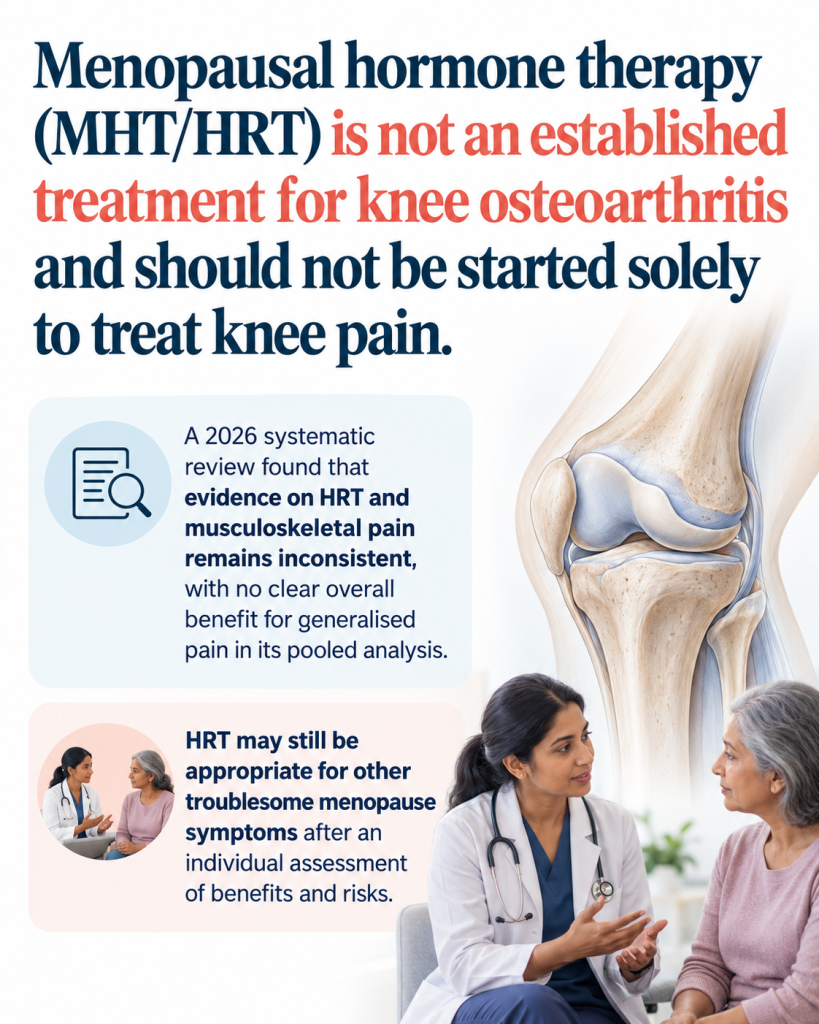
Miror’s HRT Centre of Excellence is pioneering personalised HRT care for Indian women. Start with a 3-minute HRT assessment and explore specialist-led guidance on individual treatment options, safety considerations and ongoing monitoring. HRT decisions should be based on your symptoms, medical history and personal risk factors—not knee pain alone.
Explore Miror’s HRT Centre of Excellence today.
When Should You See a Specialist?
Arrange a medical appointment if knee pain persists for several weeks, keeps returning, affects your sleep or limits everyday activities. An orthopaedic specialist or physiotherapist can help assess movement, strength and likely causes. Your clinician may also refer you to a rheumatologist if symptoms suggest inflammatory arthritis.
Seek urgent medical attention if:
Your knee becomes hot, red and swollen, especially if you have a fever or feel unwell.
You develop severe pain or cannot move the knee or bear weight on it.
The knee becomes badly swollen, changes shape or locks after an injury.
You experience severe pain following a fall or other significant injury.
These symptoms should not be dismissed as menopause-related joint pain.
(NHS)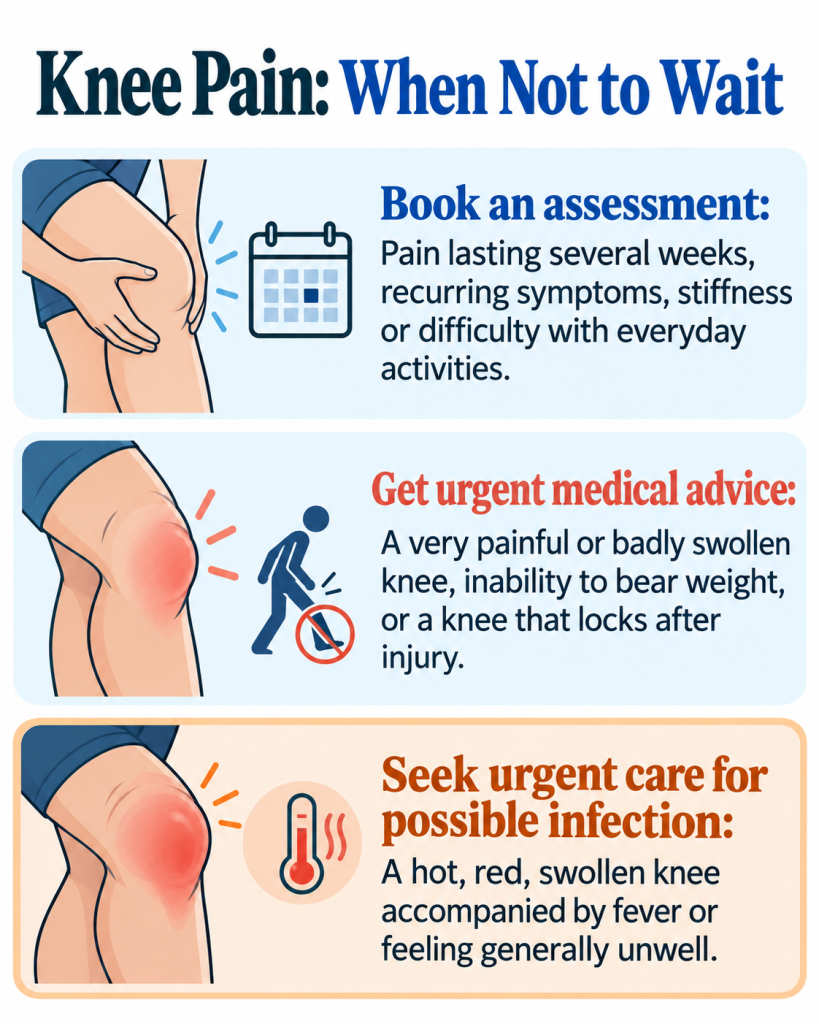
The Takeaway
Menopause knee pain is real, but the cause is not always hormonal. Changes around menopause may coincide with joint and muscle discomfort, while osteoarthritis, muscle weakness, tendon problems and previous injuries can also affect the knees.
You do not need to stop moving or accept persistent pain as an inevitable part of midlife. Identifying the cause and choosing the right combination of strengthening, activity adjustments and medical treatment can help you move more comfortably.
How Miror Can Help You?
Miror is India’s largest and only 360-degree integrative women’s wellness ecosystem and community. More than 95,000 women have received expert help and insights through Miror.
Connect with Miror doctors, health experts and mental-health experts to discuss menopause symptoms and explore personalised support.